

Hardwood vs Luxury Vinyl in Humid Climates: What Works Best
Humidity can quickly damage the wrong flooring choice. In high-moisture environments, luxury vinyl consistently outperforms traditional hardwood because it resists warping, swelling, and mold growth, while hardwood—though timeless and beautiful—becomes vulnerable without strict climate control. In coastal regions, tropical zones, or areas with high indoor humidity, hardwood naturally expands and contracts with moisture changes, and prolonged exposure can lead to warping and cupping. In contrast, luxury vinyl flooring is designed to resist water damage, requires less maintenance, and modern options closely replicate the natural look of real wood. For humid climates, luxury vinyl flooring is generally the safer and more practical long-term choice.
What Is the Best Flooring for Humid Climates?
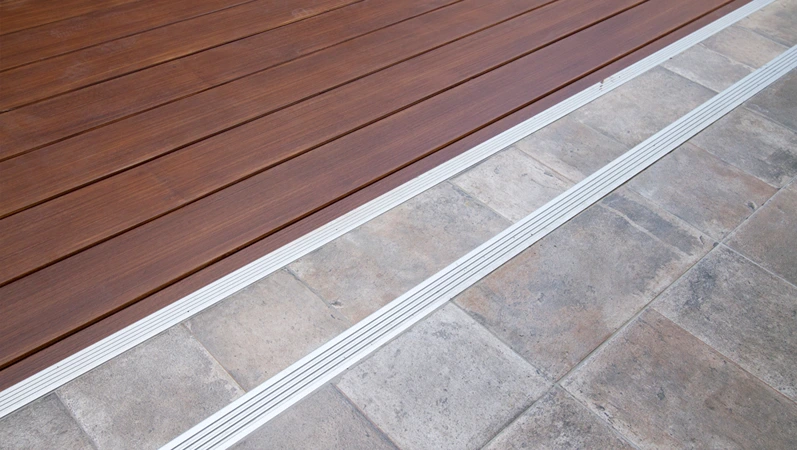
The best flooring for humid climates is one that resists moisture absorption and maintains structural stability. Materials that expand when exposed to humidity tend to crack, warp, or develop mold underneath.
Top-performing options include:
- Luxury vinyl flooring
- Porcelain tile
- Engineered hardwood with moisture control
Among these, luxury vinyl stands out for combining durability, affordability, and water resistance while maintaining the look of real wood.
Quick Comparison: Hardwood vs Luxury Vinyl
| Feature | Hardwood Flooring | Luxury Vinyl Flooring |
| Moisture Resistance | Low to Moderate | High |
| Expansion Risk | High in humidity | Minimal |
| Maintenance | Requires sealing and care | Easy cleaning |
| Installation Cost | Higher | Moderate |
| Lifespan | 20 to 100 years | 15 to 25 years |
| Best for Coastal Areas | With strict climate control | Highly recommended |
Hardwood offers prestige and long-term value, but in humid climates, stability becomes the deciding factor.
How Humidity Affects Hardwood Floors
Wood is a natural material that absorbs and releases moisture depending on environmental conditions. This constant exchange makes it vulnerable in high-humidity regions.
Expansion and Contraction
When humidity rises:
- Wood fibers absorb moisture
- Planks expand
- Pressure builds between boards
This can lead to cupping, buckling, and visible gaps once the air dries. According to the U.S. Department of Agriculture Forest Products Laboratory, wood dimensions change directly with moisture content fluctuations.
https://www.fpl.fs.usda.gov/
Seasonal shifts intensify this effect in coastal and tropical regions.
Risk Areas
High-risk areas for hardwood flooring include:
- Coastal homes
- Basements
- Kitchens
- Bathrooms
- Homes without consistent HVAC systems
Without dehumidification, solid hardwood can deteriorate faster than expected.
Why Luxury Vinyl Performs Better in High Humidity
Luxury vinyl flooring is engineered with synthetic materials that do not absorb water like wood fibers. This structural difference makes it far more stable in humid environments.
Waterproof Core Technology
Many modern luxury vinyl tile flooring products feature:
- Rigid core construction
- Stone polymer composite cores
- Waterproof backing layers
Luxury vinyl sheet flooring provides continuous coverage, minimizing seams where moisture could penetrate.
Because it does not expand like wood, the planks maintain their shape even in fluctuating humidity levels.
Mold & Mildew Resistance
Moisture trapped under traditional flooring can encourage mold growth. The Environmental Protection Agency confirms that mold thrives in damp indoor environments.
Luxury vinyl flooring installation often includes moisture barriers that further reduce risk. Proper subfloor preparation is essential for long-term performance.
Real-World Case Study: Coastal Home Comparison
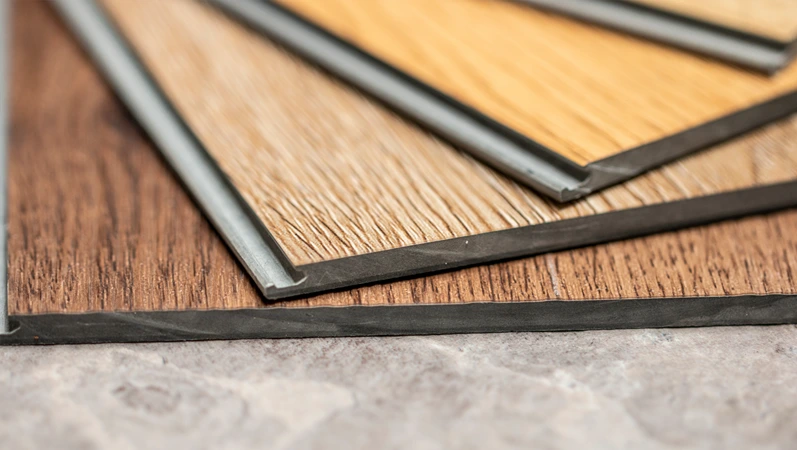
Consider two similar coastal homes located near the Gulf Coast.
Home A installed solid hardwood flooring.
Home B installed luxury vinyl tile flooring with a waterproof core.
After three humid summers:
- Home A experienced cupping and required sanding and refinishing.
- Gaps appeared during seasonal shifts.
- Maintenance costs increased.
Home B showed:
- No visible expansion
- Minimal maintenance
- Stable plank alignment
The homeowners in Home B saved thousands in repair costs and experienced less seasonal stress.
This pattern is common in high-humidity environments.
When Hardwood Still Makes Sense in Humid Climates
Hardwood is not completely off the table. It simply requires smarter selection and environmental control.
Choose Engineered Hardwood Instead of Solid
Engineered hardwood uses layered construction with cross-directional plywood beneath the top veneer. This structure improves dimensional stability.
Compared to solid hardwood, engineered boards:
- Resist expansion better
- Perform more consistently in moderate humidity
- Offer similar aesthetic appeal
Use Climate Control
Maintaining indoor humidity between 30 percent and 50 percent reduces expansion risk. The Environmental Protection Agency recommends keeping indoor humidity below 60 percent to prevent mold growth.
Dehumidifiers and HVAC systems are critical investments for hardwood longevity.
Cost Comparison in Humid Regions
| Cost Factor | Hardwood | Luxury Vinyl |
| Material Cost per sq ft | Higher | Moderate |
| Installation Labor | Skilled carpentry required | Easier installation |
| Maintenance Cost | Refinishing required | Low |
| Moisture Repair Risk | High | Minimal |
Luxury vinyl flooring installation typically costs less than traditional hardwood installation because it requires less acclimation time and simpler preparation.
For homeowners seeking expert guidance, Shans Carpets and Fine Flooring Inc. helps clients evaluate climate conditions before making flooring investments. Professional consultation reduces costly mistakes in humid regions.
Hardwood or Luxury Vinyl in Humid Climates?
If moisture stability is your priority, luxury vinyl wins. It resists swelling, reduces mold risk, and maintains structural integrity in coastal and tropical areas.
Hardwood remains ideal for:
- Climate-controlled luxury homes
- Dry interior spaces
- Buyers prioritizing long-term resale value
Luxury vinyl excels in:
- High humidity
- Rental properties
- Kitchens and basements
- Homes near oceans or lakes
Your climate should guide your decision more than aesthetics alone.
How to Choose the Right Flooring for Your Climate
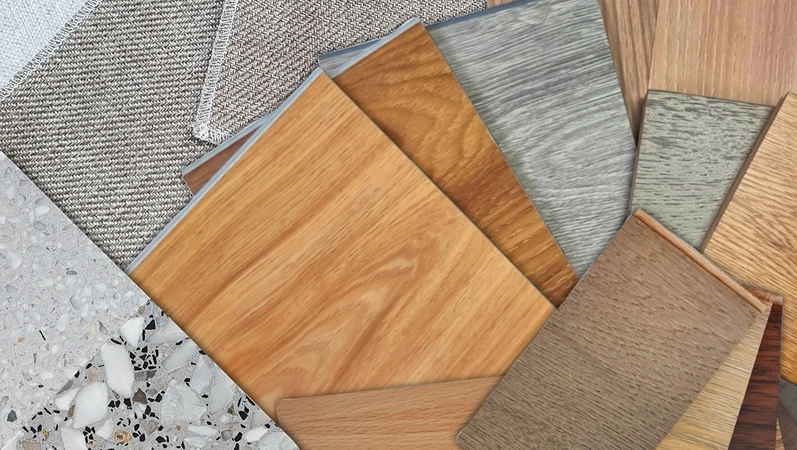
Follow these steps:
- Measure average indoor humidity levels.
- Evaluate proximity to water sources.
- Assess HVAC consistency.
- Compare long-term maintenance budgets.
- Consult a flooring specialist.
Moisture testing your subfloor before installation is essential. Skipping this step is one of the most common flooring mistakes.
A reputable provider like Shans Carpets and Fine Flooring Inc. can recommend the right luxury vinyl sheet flooring or engineered hardwood solution based on regional humidity data. Contact us today!
References
- U.S. Forest Products Laboratory
- Environmental Protection Agency Mold Guidance
- Environmental Protection Agency Indoor Air Quality
- National Wood Flooring Association
- Statista Flooring Industry Report
Frequently Asked Questions
Does hardwood warp in humid climates?
Yes. Hardwood absorbs moisture from the air, causing expansion. Over time, this leads to cupping, buckling, and surface distortion if humidity levels remain high.
Is luxury vinyl completely waterproof?
Most modern luxury vinyl tile flooring products are waterproof at the surface level. However, proper installation and sealed seams are critical to prevent subfloor moisture issues.
Is engineered hardwood better than solid hardwood in humidity?
Yes. Engineered hardwood is more dimensionally stable due to its layered construction. It performs better than solid hardwood in moderately humid environments.
Which flooring lasts longer in coastal homes?
In coastal homes with high humidity, luxury vinyl flooring typically lasts longer with fewer repairs. Hardwood can last decades but requires strict humidity control and ongoing maintenance.