

Signs It’s Time to Replace Your Hardwood Floors
Hardwood floors can last for decades, but they do not last forever. Knowing when to choose hardwood floor replacement instead of repairs can help protect your home’s value, safety, and appearance. From water damage and structural problems to excessive wear and outdated styles, several warning signs indicate that replacement may be the better investment.
This guide explains the most common signs that it is time to replace your hardwood flooring and how to decide between repair and replacement.
Why Hardwood Floors Don’t Last Forever
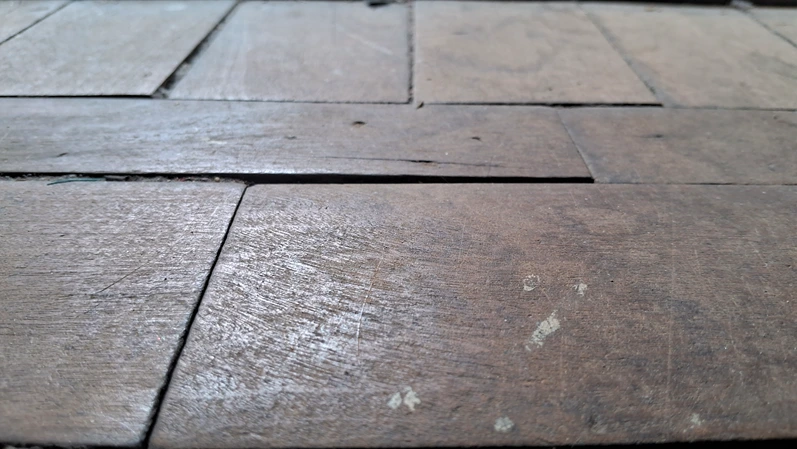
Average Lifespan of Hardwood Floors
Most hardwood floors last between 50 and 100 years, depending on wood species, maintenance habits, moisture exposure, and foot traffic. Regular care can extend their lifespan, but every floor eventually reaches a point where replacement becomes the most practical solution.
Normal Wear vs. Serious Damage
Minor scratches, dents, and surface wear are usually cosmetic issues that can often be addressed through refinishing hardwood floors. Serious damage affects the structural integrity of the flooring and often requires more extensive solutions.
Deep Cracks and Splitting in Hardwood Floors
What Causes Hardwood Floor Cracks?
Deep cracks commonly result from moisture fluctuations, aging wood, poor installation, or prolonged exposure to dry indoor conditions. Over time, repeated expansion and contraction can weaken boards and create visible splitting.
When Cracks Mean You Need Hardwood Floor Replacement
Small cracks may be repairable, but widespread splitting across multiple boards often signals the need for hardwood floor replacement. Replacement becomes especially important when cracks affect stability, create tripping hazards, or expose the subfloor.
Extensive Water Damage to Hardwood Floors
Signs of Water-Damaged Hardwood Floors
Water-damaged flooring often shows cupping, crowning, buckling, staining, warping, or soft spots underfoot. Persistent moisture can also lead to mold growth beneath the flooring system.
Why Water Damage Often Requires Replacing Wood Flooring
Severe water damage penetrates beyond the surface and compromises both the flooring and subfloor. In these cases, replacing wood flooring is often more effective than attempting localized repairs.
Hardwood Floors Are Soft, Bouncy, or Uneven
Subfloor Problems Beneath Hardwood Flooring
Soft or spongy areas frequently indicate subfloor deterioration caused by moisture, pests, or structural movement. Addressing the flooring alone will not solve the underlying issue.
Safety Risks of Uneven Hardwood Floors
Uneven flooring increases the risk of trips and falls while also signaling potential structural concerns beneath the surface. Significant height differences between boards usually require professional evaluation and possible replacement.
Multiple Repairs Are No Longer Cost-Effective
The Rising Cost of Hardwood Floor Repair
Repeated service calls can quickly make hardwood floor repair more expensive than installing new flooring. As older floors continue to deteriorate, repair costs often increase while long-term results become less reliable.
Comparing Hardwood Floor Repair vs. Replacement
The table below highlights common situations where repair or replacement makes the most sense.
| Condition | Repair Recommended | Replacement Recommended |
| Minor scratches | ✓ | |
| Isolated board damage | ✓ | |
| Small stains | ✓ | |
| Widespread water damage | ✓ | |
| Extensive cracking | ✓ | |
| Multiple structural issues | ✓ | |
| Repeated repair history | ✓ |
Hardwood Floors Have Been Refinished Too Many Times
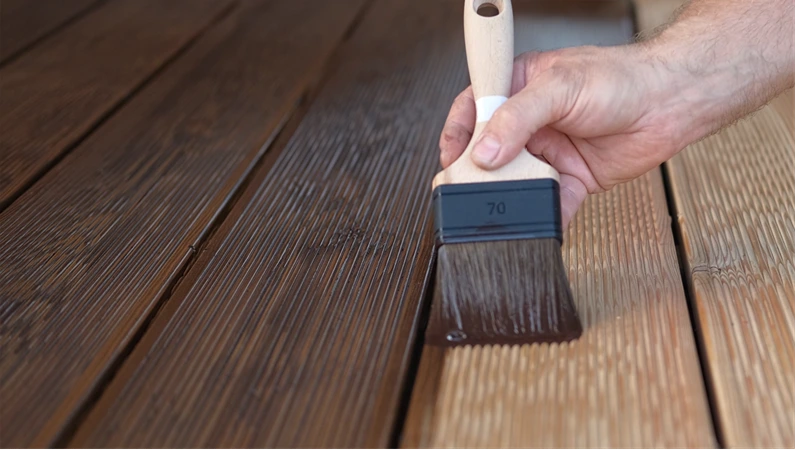
How Many Times Can Hardwood Floors Be Refinished?
Most solid hardwood floors can be refinished 4 to 7 times, depending on board thickness and previous sanding depth. Engineered hardwood flooring generally allows fewer refinishing cycles.
Signs Your Floors Can No Longer Be Refinished
Exposed nail heads, thinning boards, deep gouges, and weakened tongue-and-groove connections indicate the floor has reached its refinishing limit. At this stage, replacement typically delivers better long-term value.
Persistent Squeaks and Movement in Hardwood Floors
Common Causes of Squeaky Hardwood Floors
Squeaks often develop when flooring boards loosen from the subfloor or when fasteners begin to fail. Seasonal humidity changes can also contribute to movement between boards.
When Squeaks Indicate Serious Structural Issues
Occasional squeaks are normal, but widespread movement throughout a room can indicate deeper structural problems. Persistent shifting may require inspection of both the flooring system and the supporting subfloor.
Severe Stains and Discoloration on Hardwood Floors
Causes of Permanent Hardwood Floor Stains
Pet accidents, water intrusion, chemical spills, and prolonged sun exposure can cause permanent discoloration. Some stains penetrate deeply into the wood fibers and become impossible to remove completely.
Why Some Stains Cannot Be Removed by Refinishing
Deep stains often extend below the sanding layer that can be removed during refinishing hardwood floors. When discoloration remains after multiple restoration attempts, replacement may be the most practical option.
Outdated Hardwood Floors That No Longer Match Your Home
Modern Hardwood Flooring Trends
Current flooring trends favor wider planks, lighter wood tones, matte finishes, and improved durability technologies. Many homeowners upgrade flooring to better align with contemporary interior design preferences.
Benefits of Replacing Old Hardwood Floors
New flooring can instantly modernize living spaces and improve overall visual consistency throughout the home. Updated materials may also provide better resistance to wear, moisture, and daily use.
If your flooring shows multiple signs of aging, consulting a trusted flooring professional can help determine the best next step before problems worsen.
Pest Damage in Hardwood Flooring
Signs of Insect Damage
Small holes, hollow-sounding boards, sawdust-like debris, and weakened wood may indicate insect activity. Termites and wood-boring insects can cause extensive hidden damage before symptoms become visible.
Why Damaged Hardwood Floors Should Be Replaced
Damaged hardwood floors affected by pests often lose structural strength and stability. Replacement allows professionals to remove compromised materials and address infestations before further damage occurs.
Benefits of Replacing Hardwood Floors
Improved Home Appearance
New flooring creates a cleaner, more modern look that enhances a home’s overall design. Consistent color, texture, and finish help improve visual appeal in every room.
Increased Property Value
Updated flooring is a desirable feature for buyers and can positively influence resale value. Well-installed hardwood flooring remains one of the most sought-after home upgrades.
Better Indoor Air Quality
Replacing old flooring can eliminate trapped dust, allergens, mold, and contaminants that accumulate over time. New materials and proper installation contribute to a healthier indoor environment.
Greater Durability and Performance
Modern flooring products often offer enhanced resistance to moisture, scratches, dents, and everyday wear. Upgraded materials help homeowners reduce maintenance demands over the long term.
For homeowners considering a flooring upgrade, experienced providers such as Shans Carpets and Fine Flooring, Inc. can help evaluate existing conditions and recommend suitable replacement options.
How to Determine Whether You Need Hardwood Floor Repair or Replacement
Questions to Ask Before Deciding
Consider the extent of damage, the flooring’s age, repair history, and overall replacement costs before making a decision. Multiple widespread issues usually point toward replacement rather than ongoing repairs.
Professional Hardwood Floor Inspection
A professional inspection can identify hidden moisture damage, subfloor deterioration, structural concerns, and refinishing limitations. Expert assessments help homeowners make informed decisions based on the flooring’s actual condition.
Know When It’s Time to Replace Your Hardwood Floors
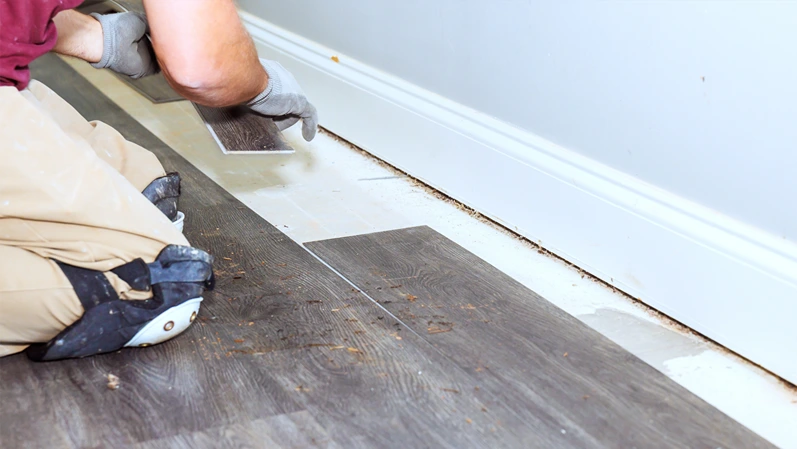
Recognizing the signs of failing hardwood floors can help you avoid escalating repair costs and protect your home’s value. Deep cracks, water damage, structural instability, excessive refinishing, pest activity, and persistent staining are among the strongest indicators that replacement may be necessary.
If you notice several of these warning signs, scheduling a professional evaluation is the next step. The team at Shans Carpets and Fine Flooring, Inc. can assess your flooring condition and help you determine the most cost-effective solution for long-term performance and appearance. Contact us today!
Frequently Asked Questions
How do I know if my hardwood floors need to be replaced?
Hardwood floors often need replacement when they have widespread water damage, structural instability, severe cracking, extensive staining, pest damage, or have been refinished too many times.
Can damaged hardwood floors be repaired instead of replaced?
Yes, damaged hardwood floors can often be repaired when the damage is localized and the flooring structure remains sound. Replacement is typically recommended when damage is widespread or affects structural integrity.
How long do hardwood floors typically last?
Most hardwood floors last between 50 and 100 years with proper maintenance, although lifespan varies based on wood species, environmental conditions, and usage patterns.
Is replacing hardwood floors worth the investment?
Yes, replacing hardwood floors can improve home appearance, increase property value, enhance indoor air quality, and provide better long-term durability.
Can water-damaged hardwood floors be saved?
Minor moisture issues may be repairable, but severe water damage that causes warping, buckling, mold growth, or subfloor deterioration often requires replacement.