

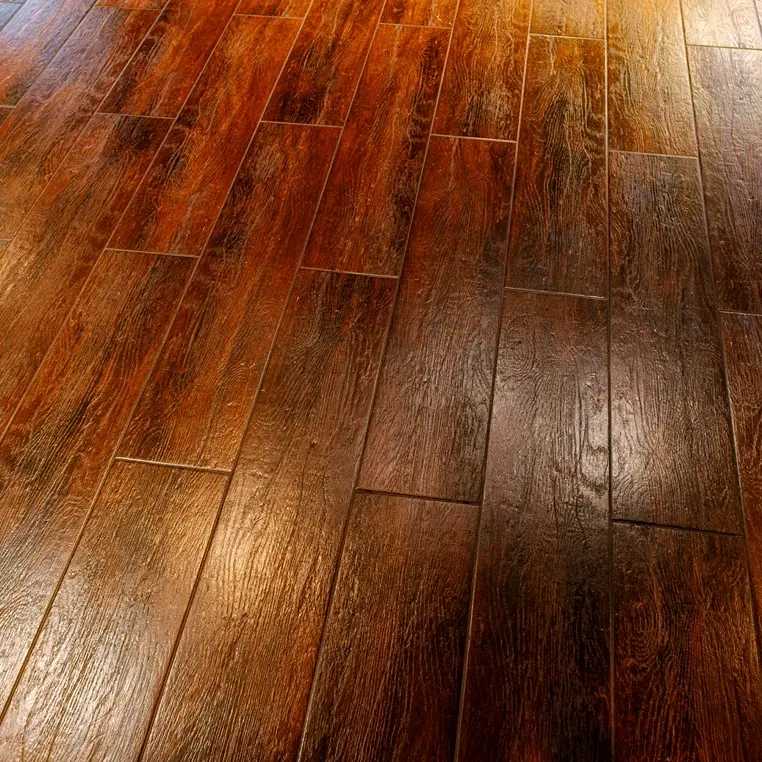
Explore Our Engineered Hardwood Flooring Options
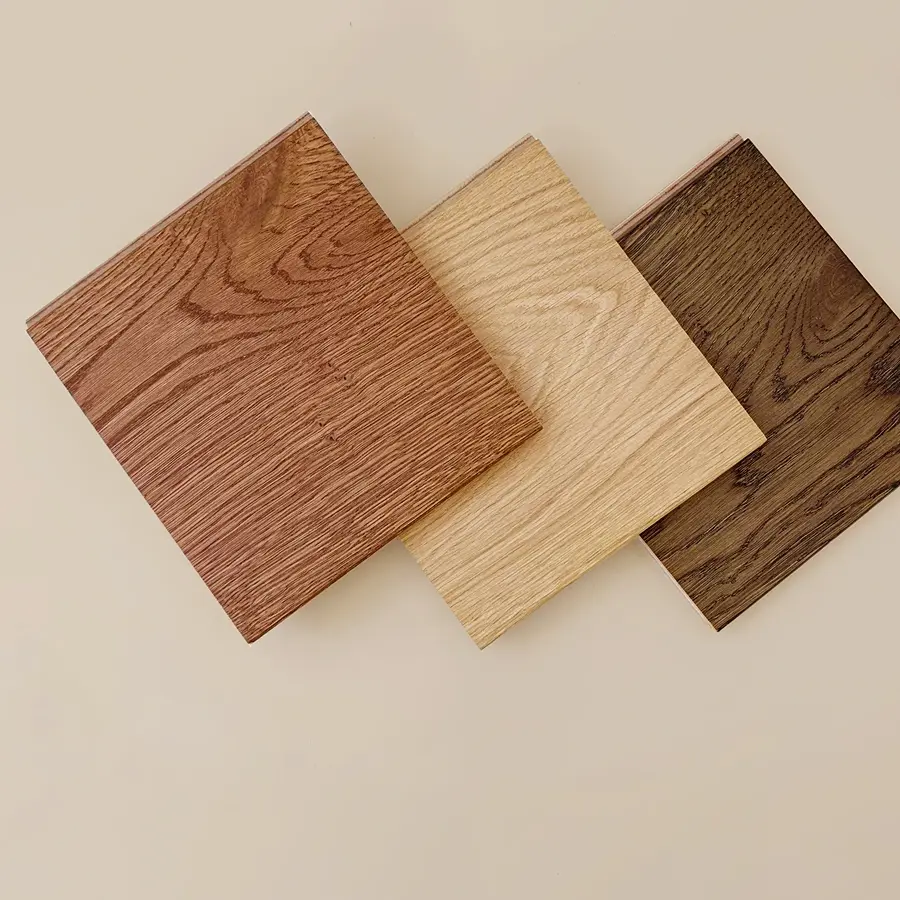
With a variety of wood species, colors, plank widths, textures, and finishes available, you can find flooring that complements both traditional and contemporary interiors.
What Is Engineered Hardwood Flooring?
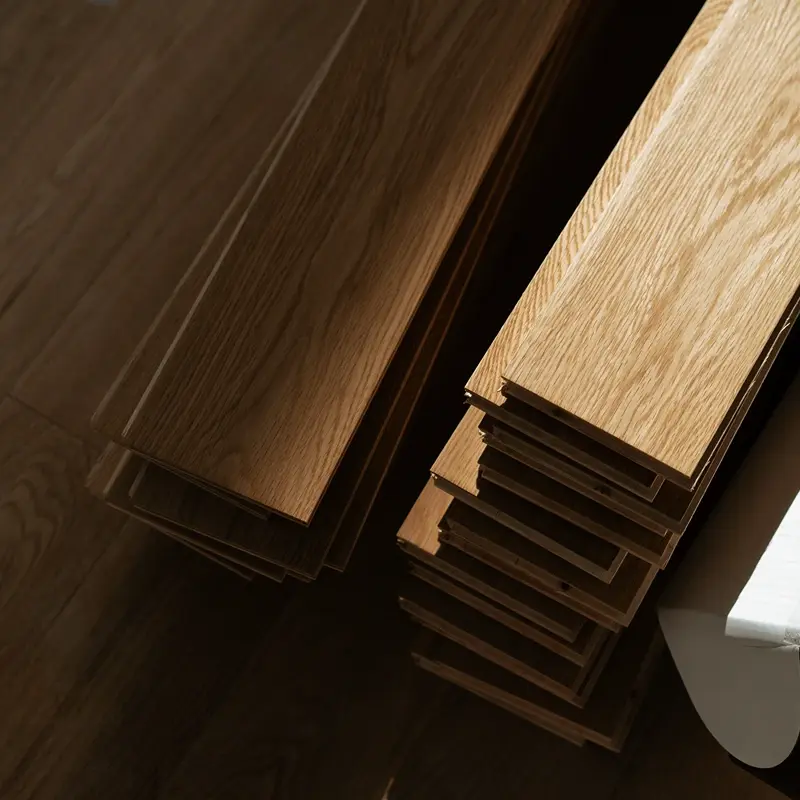
Engineered hardwood flooring offers the authentic look of wood with a construction designed for added stability. It is made with a genuine hardwood veneer layered over a stable core of wood-based materials. Unlike laminate or luxury vinyl, the top layer is real hardwood, giving the flooring the natural grain, texture, and visual character associated with traditional wood floors.
Benefits of Engineered Hardwood Flooring
Natural Hardwood Appearance
A genuine hardwood top layer gives engineered flooring the grain patterns, tonal variation, and texture of real wood. The result is a natural appearance that can add warmth and character to virtually any interior.
Greater Stability
The layered construction of engineered hardwood provides greater dimensional stability than solid wood in many conditions. This can make it a practical choice in environments where temperature and humidity fluctuate.
Easy Maintenance
Porcelain flooring is relatively simple to maintain. Regular sweeping, vacuuming, and appropriate mopping can help keep the surface clean without requiring extensive upkeep.
Versatile Installation Options
Depending on the product and subfloor, you can install engineered hardwood using different methods, including floating, glue-down, or nail-down installation. Your flooring professional can recommend the right method based on the product and your space's conditions.
Long-Lasting Durability
Quality engineered hardwood is designed to withstand everyday foot traffic while maintaining its appearance. With appropriate care and maintenance, it can provide years of reliable performance in residential spaces
Engineered Hardwood Flooring for Different Rooms
Engineered hardwood can work well throughout many areas of a home, allowing you to create a consistent design from room to room. Its natural appearance makes it especially suitable for spaces where you want warmth, texture, and a polished finish.
In living rooms and dining rooms, wood flooring can establish an inviting foundation for furniture and décor. Bedrooms can benefit from the warmth and comfort of a wood-look surface, while hallways and other frequently used areas can provide visual continuity throughout the home.
For kitchens and other spaces exposed to moisture, product specifications and installation requirements should be reviewed carefully. Proper subfloor preparation and installation are important for helping engineered hardwood perform as intended.
Engineered Hardwood vs. Solid Hardwood Flooring
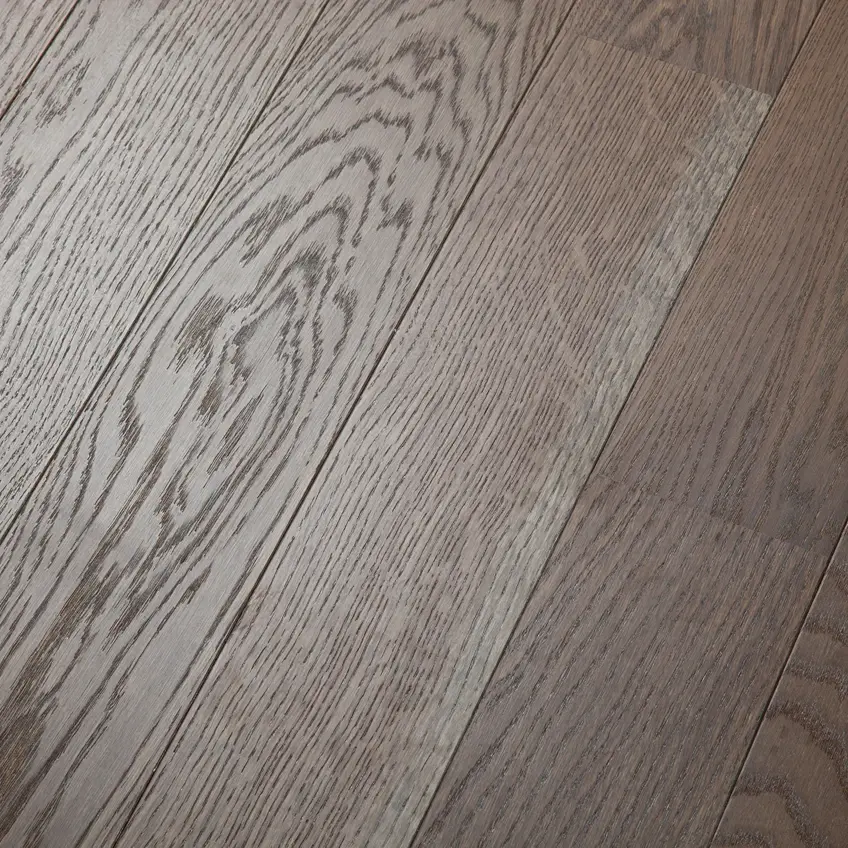
Engineered and solid hardwood flooring both use real wood, but they're constructed differently. Solid hardwood is milled from a single piece of wood, while engineered hardwood uses a real hardwood surface bonded to multiple layers that provide structural stability.
Solid hardwood can typically be sanded and refinished multiple times throughout its service life, depending on its thickness. Engineered hardwood can also be refinished, but how many times depends on the thickness of its hardwood wear layer and the manufacturer's specifications.
The right option depends on factors such as the room, subfloor, moisture conditions, installation method, desired appearance, and long-term maintenance preferences.
Why Choose Engineered Hardwood Flooring?
With a broad selection of colors, finishes, and plank styles, it can be adapted to different rooms and interior aesthetics while providing the familiar appeal of genuine wood.
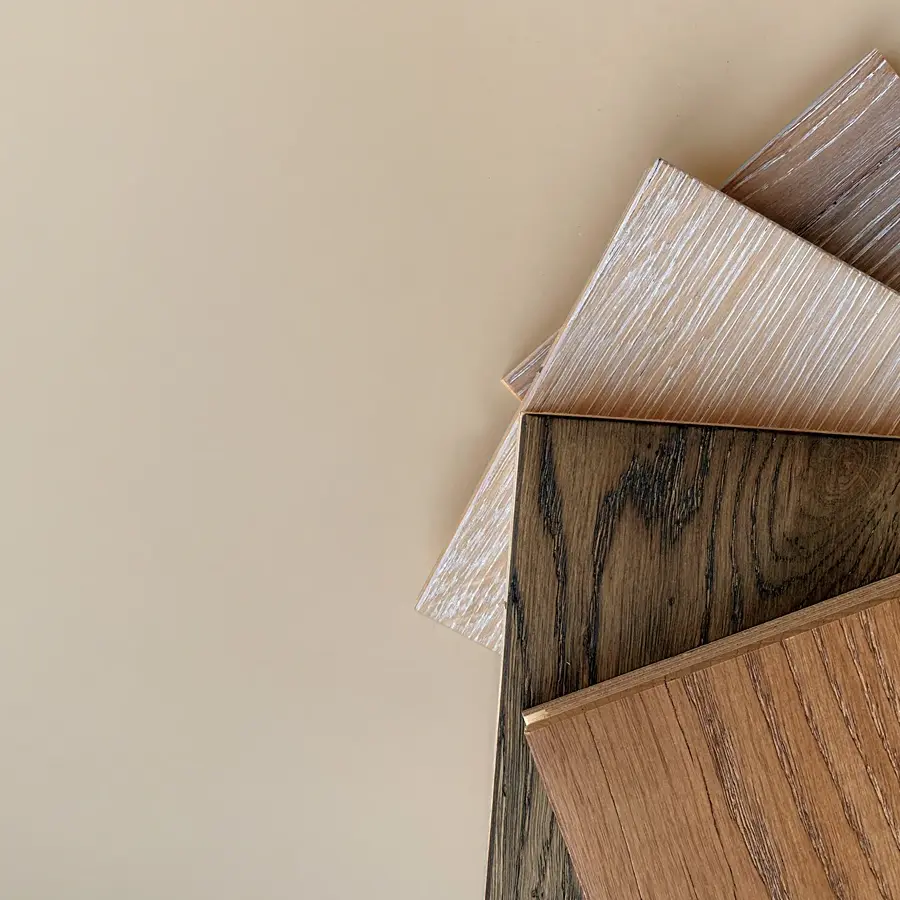
Wide Range of Styles and Finishes
Engineered hardwood is available in numerous species, tones, textures, surface treatments, and plank dimensions. This variety makes it easier to select a finish that complements your home's architecture and personal style.
Designed for Houston Homes
Houston homes can experience changes in indoor temperature and humidity throughout the year. Engineered hardwood's layered construction can provide greater dimensional stability than solid wood, making it an option worth considering for local residential environments.
Adds Lasting Style to Your Interior
Wood flooring has a timeless quality that can complement changing décor over the years. Engineered hardwood brings natural grain and warmth to an interior without tying the space to a particular decorating trend.
Easy to Coordinate with Interior Designs
From minimalist spaces to traditional interiors, engineered hardwood can complement a wide range of furniture, cabinetry, wall colors, and architectural details. Choosing the right tone and finish can help create a cohesive look throughout your home.
Choosing the Right Engineered Hardwood Flooring
Consider the Room and Traffic Level
Choose an engineered hardwood product based on where it will be installed and how much daily foot traffic the space receives. High-use areas may benefit from a durable finish and construction suited to frequent activity.
Evaluate Wood Species and Finish
Wood species, color, grain pattern, and finish all influence the final appearance of your flooring. When comparing options, consider your existing cabinetry, furniture, wall colors, and overall interior style.
Check Installation Requirements
Different engineered hardwood products may require specific installation methods or subfloor conditions. Review the manufacturer's requirements to determine which product and installation approach are appropriate for your home.
Think About Long-Term Maintenance
Consider how the flooring should be cleaned, maintained, and cared for over time. Choosing a product that aligns with your household's maintenance routine can help preserve its appearance and performance.