

How to Prepare Your Home Before Flooring Installation
Installing new flooring is easier when homeowners plan ahead. Proper flooring installation preparation helps prevent delays, protects furniture, and allows installers to work efficiently from start to finish.
This guide explains preparing your home for new floors, including what to move, how to protect nearby areas, and what to do before flooring installers arrive. You will also find a practical floor installation checklist and expert home flooring installation tips to help your project stay on track.
Why Flooring Installation Preparation Matters
Proper preparation reduces installation delays and helps protect your home during the project. Good flooring installation planning also improves safety, workflow, and overall installation quality.
A prepared home allows installers to:
- Move materials efficiently
- Access rooms without obstacles
- Prevent damage to nearby furniture
- Complete projects faster
- Reduce cleanup issues afterward
Review Your Flooring Installation Plan Before the Project Starts
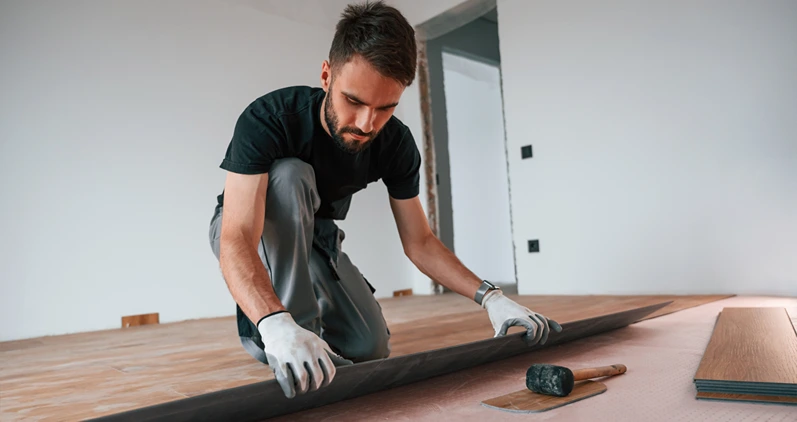
Reviewing the project details early helps avoid confusion once work begins. Confirming expectations before installation day keeps the process organized and efficient.
Confirm the Rooms Being Installed
Verify exactly which rooms and closets are included in the project before materials arrive. This prevents installation gaps, incorrect measurements, and scheduling mistakes.
Ask About the Installation Timeline
Ask your installer how many days the project will take and what hours crews will be working. Understanding the timeline helps you plan daily routines and temporary room access.
Understand What the Installers Will and Will Not Move
Many installers move basic furniture, but large or fragile items are often excluded from service agreements. Clarifying responsibilities early prevents delays on installation day.
Clear Furniture and Personal Belongings From the Installation Area
Removing personal belongings gives installers immediate access to the work area. Clear spaces also reduce the risk of accidental damage during flooring installation.
Move Small Furniture and Décor
Remove chairs, lamps, rugs, side tables, and decorative items before the crew arrives. Smaller items slow down installation and increase the chance of breakage.
Remove Breakable or Valuable Items
Take down artwork, mirrors, electronics, and collectibles near installation zones before work starts. Vibrations from cutting tools and foot traffic can damage fragile belongings.
Empty Closets and Storage Areas
Closets connected to the installation area should be fully cleared before installation day. Empty storage areas allow installers to complete flooring seamlessly across the entire room.
Prepare Large Furniture and Appliances
Heavy items often require extra planning before flooring work begins. Preparing them in advance helps avoid last-minute delays and potential damage.
Plan for Heavy Furniture
Large beds, pianos, safes, and sectional sofas may require professional movers before installation starts. Ask your flooring company if additional moving services are available.
Disconnect Electronics
Unplug televisions, computers, gaming systems, and entertainment centers before moving them. Labeling cords and accessories makes reconnection easier after installation is complete.
Prepare Appliances if Flooring Is Being Installed Nearby
Refrigerators, washers, dryers, and stoves may need to be disconnected before flooring work begins. Confirm appliance preparation requirements with your installer ahead of time.
Remove Old Flooring if Required
Some projects require existing flooring materials to be removed before installation begins. Understanding removal responsibilities helps prevent scheduling delays.
Ask Whether Flooring Removal Is Included
Not every flooring contractor includes demolition services in the installation quote. Confirm removal costs and labor details before signing the project agreement.
Types of Flooring That May Need Removal
Old carpet, laminate, tile, vinyl, and damaged hardwood flooring are commonly removed before new installation. Existing floor condition often determines how much prep work is necessary.
Check for Disposal Requirements
Some municipalities require special disposal methods for flooring materials like tile or adhesive-backed vinyl. Ask your contractor if debris removal and hauling are included in the project.
Check the Subfloor Before Installation
A stable subfloor is essential for long-lasting flooring performance. Ignoring subfloor problems can lead to uneven surfaces, squeaking, and moisture damage later.
Look for Signs of Subfloor Issues
Soft spots, sagging sections, squeaks, and visible water stains may indicate subfloor damage. Identifying issues early prevents expensive repairs after installation.
Address Moisture Problems Early
Moisture beneath flooring can cause warping, mold growth, and adhesive failure over time. Humidity testing is especially important for hardwood and luxury vinyl plank installations.
Ask if Subfloor Repairs Are Needed
Installers should inspect the subfloor before materials are installed permanently. Repairing damaged areas beforehand helps improve flooring lifespan and stability.
Make Sure the New Flooring Has Time to Acclimate
Some flooring products need time to adjust to indoor temperature and humidity conditions. Acclimation helps reduce expansion, contraction, and warping after installation.
What Flooring Acclimation Means
Acclimation allows flooring materials to adapt to your home’s interior climate before installation begins. This process is especially important in humid or temperature-variable regions.
Flooring Types That May Need Acclimation
Hardwood flooring, engineered wood, and laminate flooring often require acclimation periods of 24 to 72 hours. Manufacturer recommendations vary based on product type and climate conditions.
Follow Manufacturer or Installer Guidelines
Always follow the acclimation instructions provided by the flooring manufacturer or installation team. Skipping this step can void warranties and reduce flooring performance.
Create a Clear Path for Installers
Installers need unobstructed access to transport tools and flooring materials efficiently. Clear pathways also improve safety during installation.
Clear Entryways and Walkways
Remove shoes, rugs, plants, and furniture from hallways and entrances before installation day. Wide pathways help crews move heavy materials without damaging walls or furniture.
Make Space for Tools and Materials
Installers typically need staging areas for saws, flooring boxes, adhesives, and equipment. Garages, patios, or nearby empty rooms often work best for temporary storage.
Secure Parking Access
Reserve driveway space or nearby parking for installation vehicles if possible. Easy parking access speeds up material unloading and reduces project delays.
Protect Areas Not Being Replaced
Nearby rooms and surfaces can still collect dust or experience accidental damage during installation. Protective coverings help minimize cleanup and repair costs.
Cover Nearby Furniture and Surfaces
Use plastic sheets or drop cloths to protect furniture in adjacent rooms from dust buildup. Covering surfaces also helps reduce post-installation cleaning time.
Protect Walls, Door Frames, and Baseboards
Corners and trim can become scratched when moving materials and equipment through the home. Protective tape and padding help prevent cosmetic damage during installation.
Seal Off Rooms if Needed
Plastic barriers can help contain dust in larger renovation projects. This is especially helpful for homes with open floor plans or nearby living spaces.
Prepare for Dust, Noise, and Limited Access
Most flooring projects create temporary disruptions inside the home. Planning ahead makes the installation process easier for everyone in the household.
Expect Some Noise During Installation
Cutting tools, compressors, and demolition equipment can create loud noise throughout the project. Scheduling around meetings or naps can help reduce stress during installation days.
Plan Around Limited Room Access
Certain rooms may be inaccessible for several hours or even multiple days during installation. Plan sleeping arrangements and furniture placement ahead of time if needed.
Make Arrangements for Remote Work or Daily Routines
Home offices and daily activities may be interrupted during active installation periods. Temporary workspace arrangements can help maintain productivity during renovations.
Mid-project planning support from Shans Carpets and Fine Flooring, Inc. can help homeowners stay organized before installation begins. Professional installers often provide customized guidance based on flooring type, project size, and home layout.
Keep Children and Pets Away From the Work Area
Active installation zones can be unsafe for children and pets. Creating separate areas improves safety and allows installers to work efficiently.
Create a Safe Space for Pets
Keep pets in secured rooms away from noise, dust, and open entryways during installation. Temporary pet boarding may help reduce anxiety for sensitive animals.
Keep Children Out of the Installation Zone
Construction tools, adhesives, and sharp materials can create safety hazards for children. Restricting access helps prevent injuries during the project.
Notify Installers About Pets in the Home
Tell installers if pets are present so they can avoid accidental escapes through open doors. Communication helps maintain safety throughout the installation process.
Confirm Final Details Before Installation Day
Final confirmations help prevent delays, missing materials, and scheduling problems. A quick review before installation day keeps the project running smoothly.
Confirm Appointment Time
Verify the crew arrival window at least 24 hours before installation begins. Accurate scheduling helps homeowners prepare the space on time.
Confirm Flooring Materials Have Arrived
Check that all flooring products, trims, adhesives, and accessories have been delivered before installation day. Missing materials can delay the project significantly.
Review Payment, Warranty, and Project Details
Review warranty coverage, payment schedules, and project expectations before work begins. Written agreements help reduce misunderstandings during installation.
What to Expect After Flooring Installation
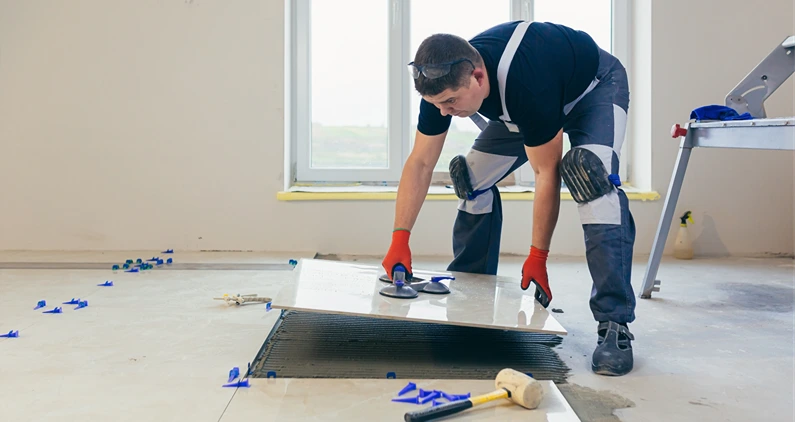
Freshly installed flooring may require limited foot traffic for several hours after completion. Some flooring adhesives and finishes also need curing time before heavy furniture is replaced.
After installation, homeowners should:
- Inspect the completed flooring carefully
- Ask about cleaning recommendations
- Request warranty documentation
- Confirm maintenance instructions
- Use felt pads under furniture legs
Common Mistakes to Avoid Before Flooring Installation
Avoiding common preparation mistakes helps reduce delays and unnecessary costs. Many installation issues result from incomplete preparation before crews arrive.
Common mistakes include:
- Leaving furniture in installation areas
- Forgetting to disconnect appliances
- Skipping acclimation requirements
- Ignoring moisture problems
- Blocking entryways or hallways
- Failing to secure pets
Following a detailed floor installation checklist helps homeowners stay organized throughout the project.
Get Your Home Ready for a Smooth Flooring Installation
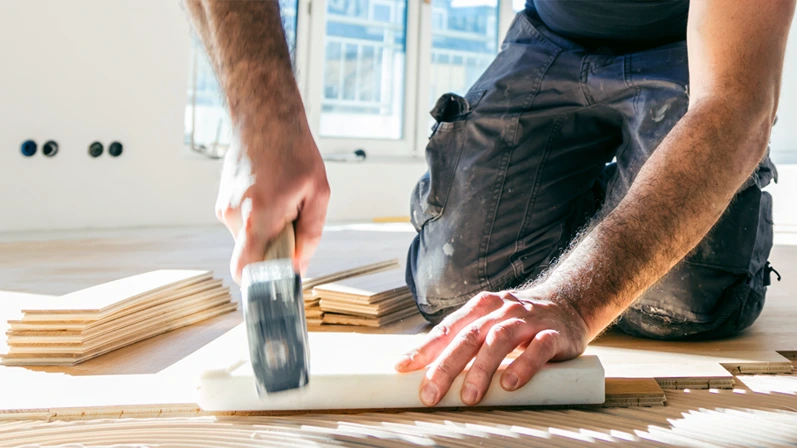
Successful flooring installation preparation creates a faster, safer, and more efficient project from start to finish. Taking time to organize your home before installation day helps protect your belongings and reduces avoidable delays.
If you are preparing your home for new floors, professional guidance can simplify the entire process. Shans Carpets and Fine Flooring, Inc. provides expert support, installation planning, and reliable home flooring installation tips to help homeowners achieve long-lasting flooring results. Contact us today!
Frequently Asked Questions About Flooring Installation
Do I Need to Move All My Furniture Before Flooring Installation?
Most flooring companies recommend removing as much furniture as possible before installation day. Large or specialty items may require professional movers depending on the project scope.
Should I Remove My Old Flooring Before Installers Arrive?
Some installers include flooring removal services, while others do not. Always confirm removal responsibilities before the project starts.
How Long Does Flooring Installation Usually Take?
Most residential flooring projects take one to five days, depending on room size, flooring type, and subfloor condition. Larger homes or custom installations may require additional time.
Can I Stay Home During Flooring Installation?
Many homeowners stay home during installation, but noise and restricted room access can make daily routines difficult. Families with pets or young children sometimes choose temporary alternative arrangements.
Do New Floors Need to Acclimate Before Installation?
Many hardwood, laminate, and engineered flooring products require acclimation before installation. Following manufacturer guidelines helps reduce expansion and moisture-related problems later.