

Carpet Binding: How to Turn Carpet Remnants Into Custom Rugs
Carpet binding is one of the easiest ways to transform carpet remnants into durable, attractive custom area rugs that fit your space perfectly. A professional carpet binding service finishes exposed edges to prevent fraying while giving leftover carpet a polished appearance.
This guide explains how rug binding works, compares available binding styles, and helps you decide when carpet edge binding is the right investment for your home or business.
What Is Carpet Binding?
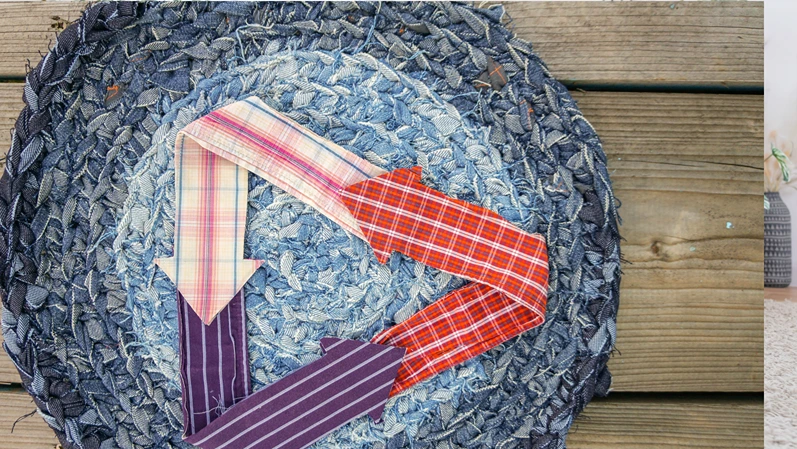
Carpet binding is the process of finishing the exposed edges of a carpet piece to make it a completed rug rather than a loose remnant. The finished edge improves durability, prevents unraveling, and gives the carpet a clean, professional appearance.
Many homeowners choose carpet binding after installing wall-to-wall carpeting because leftover pieces can be converted into useful rugs instead of being discarded. Businesses also use the process to create entry mats, hallway runners, and custom-sized rugs that match existing flooring.
A professional carpet binding service uses specialized equipment to attach binding materials securely around the perimeter. The result is a rug that looks custom-made while extending the value of the original carpet.
How Carpet Binding Works
A professional first measures and trims the carpet to the desired size, then applies carpet edge binding or another finishing method along every exposed edge. Specialized machines secure the binding evenly, creating a durable finish that resists fraying and daily wear.
Why Choose Carpet Binding for Carpet Remnants?
Turning carpet remnants into finished rugs provides practical and financial benefits. Instead of purchasing new rugs, you can customize leftover carpet to fit specific rooms while maintaining a coordinated look throughout the property.
Common advantages include:
- Lower decorating costs
- Less material waste
- Custom sizing
- Matching existing carpet
- Improved edge durability
- Professional appearance
- Longer usable life
Save Money by Reusing Carpet Remnants
Reusing carpet remnants costs significantly less than purchasing premium rugs because you already own the primary material. Paying only for rug binding allows you to create attractive rugs while maximizing your flooring investment.
Create Custom Area Rugs That Fit Perfectly
Custom area rugs can be made in virtually any size that fits your furniture layout or room dimensions. This flexibility eliminates the compromise of choosing standard retail rug sizes that may leave awkward gaps.
Support Sustainable Home Improvement
Repurposing leftover carpet reduces unnecessary disposal and helps make better use of existing materials. Extending the life of quality carpet also reduces the need to purchase additional flooring products.
Looking for professionally finished rugs? A trusted provider such as Shans Carpets and Fine Flooring Inc can transform leftover carpet into custom pieces that match your home’s style while delivering a durable, polished finish.
Types of Carpet Binding Options
Several finishing methods are available, and each creates a different appearance. The best choice depends on your carpet style, room design, budget, and expected foot traffic.
Fabric Binding
Fabric binding wraps the edge with a durable fabric tape that comes in many colors and textures. It is one of the most popular options because it complements both traditional and modern interiors.
Leather Binding
Leather binding creates a premium appearance that pairs well with luxury interiors and statement rugs. It offers excellent durability while adding a distinctive decorative border.
Cotton Binding
Cotton binding provides a softer appearance and works well with casual residential spaces. It is available in numerous colors, making it easy to coordinate with existing décor.
Serged Carpet Edges
Serged edges use continuous yarn stitched around the carpet perimeter to create a finished appearance similar to manufactured rugs. This option produces an elegant edge while maintaining a seamless look that blends naturally with the carpet fibers.
Carpet Binding vs. Buying a New Rug
Both options provide floor protection and enhance interior design, but they differ in cost, customization, and material selection. Carpet binding is often the better value when you already have quality leftover carpet.
| Feature | Carpet Binding | Buying a New Rug |
| Initial Cost | Lower if using existing carpet | Usually higher |
| Custom Sizes | Yes | Limited to available sizes |
| Material Match | Matches installed carpet | May differ from existing flooring |
| Turnaround | Often completed within a few days | Immediate if in stock |
| Design Flexibility | High | Limited to retail inventory |
| Waste Reduction | Excellent | Minimal |
Choosing rug binding makes the most sense when your leftover carpet is still in excellent condition and complements your interior design. Purchasing a new rug may be preferable if you want an entirely different color, texture, or material than your existing flooring.
Best Places to Use Carpet Bound Rugs
Carpet bound rugs work well in residential and commercial settings because they can be made to fit precise dimensions. Their custom sizing allows you to protect flooring, improve comfort, and create a cohesive design throughout the property.
Living Rooms
Custom-sized rugs help define seating areas while protecting hard flooring from everyday wear. A bound rug made from matching carpet also creates a seamless transition between adjoining spaces.
Bedrooms
A carpet bound rug adds warmth underfoot and provides a soft landing beside the bed every morning. Choosing custom area rugs for bedrooms allows you to match the room’s dimensions instead of settling for standard retail sizes.
Hallways
Hallways benefit from long runners that protect flooring from constant foot traffic and reduce visible wear. Carpet binding allows runners to be produced in exact lengths that fit narrow or irregular spaces.
Stair Landings
A custom rug helps protect stair landings from heavy use while improving traction. Properly finished edges also reduce fraying in an area that experiences frequent movement.
Offices
Office rugs reduce noise, improve comfort, and create a more professional appearance. Binding leftover commercial carpet is often a cost-effective solution for conference rooms, reception areas, and private offices.
Commercial Spaces
Retail stores, hospitality businesses, and professional offices often use bound carpet for entrances, waiting areas, and display spaces. Custom dimensions allow businesses to maximize coverage without paying for oversized rugs that require trimming.
How to Choose the Right Carpet Binding Style
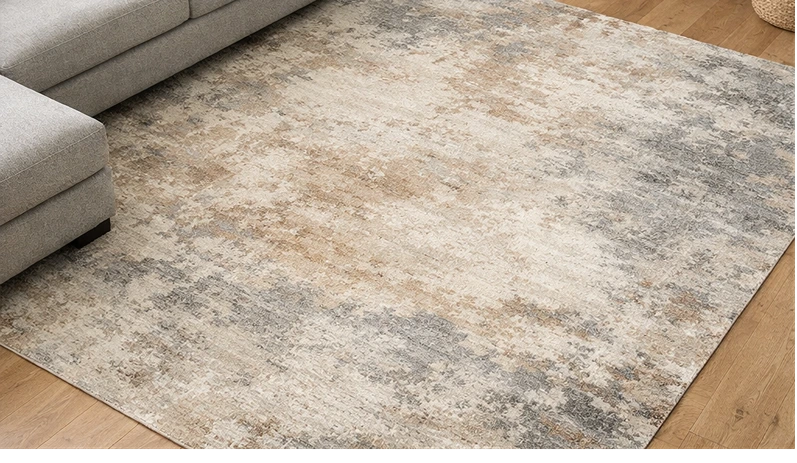
The best carpet binding style depends on your carpet material, room design, and expected use. Matching the binding to the carpet ensures the finished rug looks intentional and performs well for years.
Match Your Interior Design
Select a binding style that complements your furniture, flooring, and overall décor for a cohesive appearance. Neutral finishes create a timeless look, while contrasting borders can make the rug a focal point.
Choose the Right Binding Color
Choose a color that blends naturally with the carpet or creates a subtle accent around the edges. A well-matched border helps the rug appear professionally manufactured instead of repurposed.
Consider Carpet Thickness
Thicker carpets require binding materials that can securely wrap heavier edges without creating bulk. A professional installer can recommend the most suitable finish based on carpet construction.
Think About Foot Traffic
High-traffic areas benefit from durable materials designed to withstand frequent use and repeated cleaning. Selecting the right carpet edge binding helps extend the life of rugs placed in busy locations.
Can Every Carpet Be Bound?
Most carpets can be bound successfully, but the material and overall condition determine the final result. An inspection by an experienced professional ensures the carpet is suitable before work begins.
Suitable Carpet Materials
Nylon, polyester, wool, olefin, and many commercial carpets respond well to professional binding techniques. Quality carpet remnants with structurally sound backing usually produce the best finished rugs.
When Carpet Binding May Not Be Recommended
Severely worn carpet, damaged backing, or extensive water damage may prevent a lasting result. A professional evaluation can determine if replacement is more practical than repair and binding.
Professional Carpet Binding vs DIY Carpet Binding
Both methods can create usable rugs, but the quality, durability, and appearance differ significantly. Professional equipment produces cleaner edges and longer-lasting results than most do-it-yourself alternatives.
DIY Carpet Binding
DIY kits are inexpensive and suitable for small projects, but they often require patience and careful installation to achieve acceptable results. Uneven application, weak adhesion, and visible seams are common challenges for first-time users.
Professional Carpet Binding Service
A professional carpet binding service uses commercial equipment that creates precise edges with consistent stitching and superior durability. Investing in expert workmanship saves time and produces a polished finish that closely resembles factory-made rugs.
If you want lasting results from rug binding, working with Shans Carpets and Fine Flooring Inc provides the expertise needed to transform leftover carpet into beautiful rugs that complement your home or commercial space.
How Much Does Carpet Binding Cost?
The cost of carpet binding depends on several factors, including rug size, carpet thickness, binding material, and edge complexity. Most providers charge by the linear foot, although minimum service fees may apply for smaller projects.
Typical factors that influence pricing include:
- Rug dimensions
- Total perimeter length
- Type of binding material
- Carpet thickness
- Shape of the rug
- Rounded or angled corners
- Pickup and delivery services
- Rush turnaround requests
Many homeowners find that binding existing carpet costs considerably less than purchasing premium rugs of comparable quality. Repurposing leftover material also provides better value because you only pay for the finishing work instead of buying an entirely new product.
Carpet Binding Maintenance Tips
Proper maintenance keeps bound rugs looking their best and helps extend their lifespan. Consistent care also protects the finished edges from unnecessary wear.
Vacuum Regularly
Vacuum your rug at least once a week to remove dirt that can wear down carpet fibers over time. Use the appropriate vacuum setting to clean thoroughly without placing excessive stress on the bound edges.
Spot Clean Immediately
Clean spills as soon as they occur to prevent stains from setting into the carpet fibers. Blot the affected area with a clean cloth instead of rubbing, which can spread the stain further.
Rotate Area Rugs
Rotate custom area rugs every three to six months to promote even wear across the surface. This simple habit also helps reduce fading in areas exposed to direct sunlight.
Protect High-Traffic Areas
Place furniture pads under heavy items and use entrance mats to reduce dirt entering the room. These preventive measures minimize stress on the carpet fibers and the finished binding.
Schedule Professional Cleaning
Professional cleaning every 12 to 18 months removes deep soil that regular vacuuming cannot reach. Routine maintenance also helps preserve the appearance and durability of the finished rug.
Signs It’s Time to Have Your Carpet Bound
If you have leftover carpet with unfinished edges, binding can turn it into a functional rug before the material begins to fray. Acting early helps preserve the carpet and creates a finished product that lasts longer.
Common signs include:
- Carpet remnants stored after a recent installation
- Exposed edges beginning to unravel
- A need for a custom-sized rug
- Difficulty finding retail rugs that fit the space
- Matching carpet already installed throughout the home
- Extra carpet from commercial flooring projects
- A desire to maximize the value of an existing carpet investment
Why Hire a Professional Carpet Binding Service
A professional carpet binding service delivers cleaner results, stronger edge protection, and greater consistency than most DIY methods. Experienced technicians also recommend the best binding style based on your carpet type, room design, and expected traffic.
Professional services offer several advantages:
- Commercial-grade binding equipment
- Precise cutting and measuring
- Durable stitching and adhesives
- Wide selection of binding materials
- Faster turnaround times
- Better long-term durability
- Professional appearance
Choosing an experienced flooring specialist also reduces the risk of uneven edges, loose binding, or premature wear. Professional craftsmanship ensures your finished rug performs well while complementing the rest of your flooring.
Frequently Asked Questions About Carpet Binding: How to Turn Carpet Remnants Into Custom Rugs
How much does carpet binding cost?
Carpet binding typically costs $2 to $8 per linear foot, although pricing varies based on the carpet material, rug size, binding style, and local labor rates. Larger projects and premium binding materials may increase the total cost.
Can any carpet be turned into a rug?
Most carpets can be converted into rugs if the fibers and backing remain in good condition. A professional inspection confirms if the carpet is suitable for binding and long-term use.
Is carpet binding better than buying a new rug?
Carpet binding is often the better value when you already have quality leftover carpet that matches your interior. Buying a new rug may be the better choice if you want a completely different material, style, or color.
How long does carpet binding take?
Most carpet binding projects are completed within one to five business days, depending on the rug size and the provider’s workload. Larger commercial orders or specialty binding materials may require additional time.
What is the difference between carpet binding and serging?
Carpet binding uses a fabric, leather, or similar material to cover the carpet edge for a clean, durable finish. Serging wraps yarn around the edge to create a stitched appearance that closely resembles many factory-made rugs.
Give Your Carpet Remnants a Beautiful New Purpose
Carpet binding is an affordable way to transform unused carpet remnants into durable custom area rugs that fit your home or business perfectly. With professional rug binding and high-quality carpet edge binding, you can extend the life of your carpet, reduce waste, and enjoy custom pieces designed for your space.
If you’re ready to turn leftover carpet into beautiful, long-lasting rugs, trust Shans Carpets and Fine Flooring Inc for expert craftsmanship and dependable carpet binding service. Our experienced team can help you choose the right finish and create custom rugs that look polished, perform well, and provide lasting value. Contact us today!