

How Tile Flooring Can Improve Indoor Air Quality
Flooring can affect indoor air quality because its surface can either collect or release particles, allergens, moisture, and chemical compounds. Tile flooring is a hard, nonporous surface that can make it easier to remove dust, pet dander, and other airborne particles before they continue circulating through the home.
Carpet fibers can hold particles until they are disturbed by walking, vacuuming, or other household activity. Hard surfaces such as ceramic and porcelain tile provide fewer places for these particles to settle deeply.
Flooring materials can also contribute to indoor air quality through their adhesives, coatings, finishes, and installation materials. Choosing products with appropriate emissions certifications and maintaining them properly can help create a cleaner indoor environment.
Why Tile Flooring Can Help Improve Indoor Air Quality
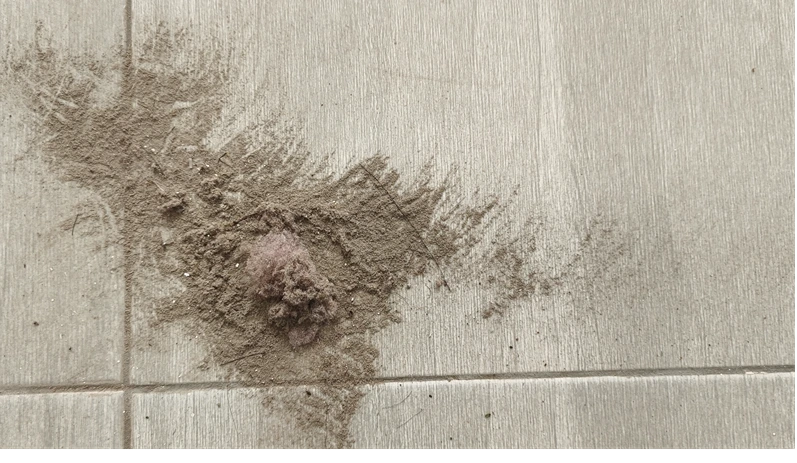
Tile flooring can support better indoor air quality because it does not provide the same deep fiber structure found in carpet, making dust and allergens easier to remove. Its durability, moisture resistance, and simple cleaning requirements also make it a practical choice for households focused on maintaining cleaner indoor spaces.
Tile Flooring Does Not Trap Dust and Allergens Easily
Tile flooring does not trap dust, pollen, pet dander, and other common allergens deep within fibers because its surface is hard and relatively smooth. Regular sweeping, vacuuming, and mopping can remove these particles from the floor instead of leaving them embedded in the material.
Tile Flooring Is Easy to Clean and Maintain
Tile flooring is easy to clean because most dust and debris remain on the surface rather than becoming deeply embedded. A regular cleaning routine can remove particles that may otherwise become airborne when people walk across the floor.
Many Tile Products Are Low-VOC Flooring Options
Many tile products are considered low-VOC flooring choices because ceramic and porcelain tile themselves are manufactured from mineral-based materials and do not typically release VOCs like some synthetic flooring products can. However, homeowners should also consider the adhesives, grout, sealers, and other installation materials used with the tile.
Tile Flooring Can Help Reduce Moisture-Related Problems
Tile flooring can help manage moisture concerns because many ceramic and porcelain products resist water absorption and can be cleaned without retaining moisture. Proper installation, sealed grout where appropriate, and prompt cleanup can further reduce conditions that support mold and mildew growth.
Is Tile Flooring a Good Hypoallergenic Flooring Choice?
Tile flooring can be a strong hypoallergenic flooring choice because its hard surface does not provide the deep fibers where dust, pollen, and pet dander can accumulate. For households managing common indoor allergens, the ability to clean the surface frequently can be an important advantage.
No flooring material can eliminate allergens from an entire home because particles also collect on furniture, bedding, curtains, HVAC components, and other surfaces. Still, replacing difficult-to-clean flooring with tile can reduce one significant area where allergens may accumulate.
For homeowners searching for the best flooring for allergies, tile is worth considering alongside other hard-surface options. The best choice ultimately depends on the household’s cleaning habits, moisture exposure, installation requirements, and overall needs.
Tile Flooring vs. Carpet for Indoor Air Quality
Tile flooring generally offers easier allergen removal than carpet because particles remain closer to the surface and can be swept or mopped away. Carpet can provide comfort and insulation, but its fibers can hold dust and allergens between cleanings.
| Indoor Air Quality Factor | Tile Flooring | Carpet |
| Dust accumulation | Surface particles are easier to remove | Fibers can hold dust |
| Allergen removal | Sweeping, vacuuming, and mopping | Requires thorough vacuuming |
| Moisture resistance | Many tile products resist moisture | Can retain moisture if saturated |
| VOC considerations | Tile itself is generally low-emitting | Depends on carpet, backing, adhesives, and padding |
| Maintenance | Regular sweeping and damp mopping | Frequent vacuuming and periodic deep cleaning |
| Allergy considerations | Often favorable for allergy-sensitive households | Can require more intensive particle management |
Allergen and Dust Accumulation
Tile flooring generally accumulates fewer deeply embedded allergens than carpet because its hard surface gives dust and debris fewer places to hide. Carpet fibers can capture particles and release some of them back into the air when the flooring is disturbed.
Ease of Cleaning
Tile flooring is generally easier to clean because homeowners can combine dry and damp cleaning methods without needing specialized carpet extraction equipment. Carpet typically requires frequent vacuuming and occasional deep cleaning to manage accumulated dust and allergens.
Moisture Resistance
Tile flooring generally handles moisture better than carpet, particularly porcelain products with low water absorption. Carpet can retain moisture after spills, leaks, or high humidity, creating conditions that require prompt drying and careful cleaning.
VOC Considerations
Tile flooring can offer favorable VOC performance because the tile itself is generally an inorganic material with low emissions. Carpet systems can involve multiple components, including backing, padding, adhesives, and treatments, so the emissions profile depends on the complete flooring assembly.
Ceramic vs. Porcelain Tile Flooring for a Healthier Home
Ceramic and porcelain tile can both support a cleaner indoor environment because they provide hard, cleanable surfaces that do not rely on textile fibers. The main differences involve density, water absorption, durability, installation requirements, and where each product performs best.
Ceramic Tile Flooring
Ceramic tile flooring is a practical option for many residential rooms because it provides a durable, washable surface in a wide range of styles and sizes. It can work particularly well in bedrooms, living areas, kitchens, and other spaces where homeowners want an easy-to-maintain hard surface.
Porcelain Tile Flooring
Porcelain tile flooring is denser and has lower water absorption than standard ceramic tile, making it particularly useful in moisture-prone areas. Its durability and resistance to water make it a strong option for bathrooms, kitchens, entryways, laundry rooms, and other high-use spaces.
Which Tile Flooring Option Should You Choose?
The right tile flooring indoor option depends on the room, expected traffic, moisture exposure, maintenance preferences, and installation requirements. Ceramic can provide an attractive residential solution, while porcelain can offer additional density and moisture resistance for demanding applications.
Best Rooms for Tile Flooring to Support Better Indoor Air Quality
Tile flooring can be especially useful in rooms where dust, moisture, spills, and frequent cleaning are common. Indoor tile flooring can be used throughout many areas of a home, although the appropriate tile type and installation method should match the room’s conditions.
Consider tile for:
- Kitchens: Tile handles frequent spills, food particles, and regular cleaning.
- Bathrooms: Moisture-resistant tile provides a practical surface for humid conditions.
- Entryways: Tile can make it easier to remove dirt and outdoor particles brought inside.
- Living rooms: Hard flooring provides an alternative to carpet in high-traffic spaces.
- Bedrooms: Tile can reduce the amount of dust-holding textile flooring in sleeping areas.
- Laundry rooms: Tile offers a cleanable surface around appliances and water sources.
- Mudrooms: Tile can simplify cleanup from shoes, dirt, and moisture.
For households with pets, tile can also simplify the removal of hair, dander, and tracked-in debris. A consistent cleaning routine remains important because flooring is only one part of the home’s overall indoor air quality.
How to Choose Tile Flooring for Better Indoor Air Quality
Choose tile flooring based on the product itself and the materials used during installation because both can affect long-term maintenance and indoor emissions. Look for durable tile, appropriate grout, suitable adhesives, and products that meet recognized indoor air quality or emissions standards when available.
Before purchasing, consider:
- Material: Compare ceramic and porcelain based on the room’s conditions.
- Water absorption: Lower absorption can be beneficial in moisture-prone areas.
- Installation materials: Ask about adhesives, mortars, grout, and sealers.
- VOC emissions: Look for products and installation materials with low-emission specifications.
- Cleaning requirements: Choose surfaces that fit your household’s maintenance routine.
- Texture: Avoid excessively textured surfaces if easy cleaning is a priority.
- Durability: Select a product rated appropriately for the expected foot traffic.
If you need help comparing materials, Shans Carpet and Fine Flooring Inc can help you evaluate flooring choices based on your home’s rooms, maintenance needs, and design goals.
How to Maintain Tile Flooring for a Healthier Home
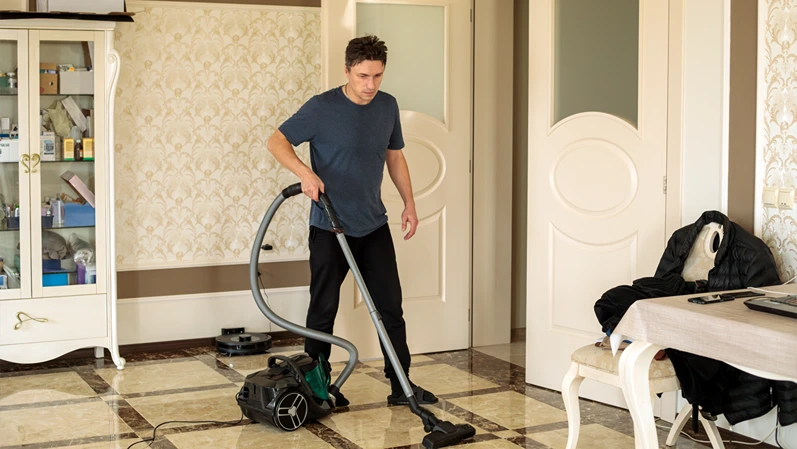
Proper tile flooring maintenance helps preserve the cleanable surface that makes tile attractive for indoor air quality. Regular particle removal, moisture control, and appropriate cleaning products can help prevent dust, grime, and residue from accumulating.
Vacuum or Sweep Regularly
Vacuuming or sweeping regularly removes dust, pet hair, pollen, and other debris before foot traffic can disturb the particles. High-traffic areas may need more frequent cleaning than rooms that receive limited use.
Damp Mop the Tile
Damp mopping removes fine particles and residues that sweeping alone may leave behind. Use an appropriate amount of water and follow the manufacturer’s recommendations to avoid unnecessary moisture around grout and flooring edges.
Keep Grout Clean
Clean grout helps prevent dirt and organic residue from accumulating in the joints between tile surfaces. Follow the grout manufacturer’s care instructions and use suitable cleaning methods rather than harsh products that could damage the material.
Address Moisture Quickly
Quickly cleaning spills and addressing leaks can reduce the chance of prolonged moisture exposure beneath or around flooring. Pay particular attention to bathrooms, kitchens, laundry rooms, and areas near plumbing fixtures.
Use Low-Odor, Low-VOC Cleaning Products When Possible
Using low-odor, low-VOC cleaning products can limit unnecessary chemical emissions during routine floor maintenance. Always follow product directions and avoid mixing household cleaners, since certain combinations can create hazardous fumes.
Other Benefits of Tile Flooring for Busy Households
Tile flooring provides several practical benefits beyond its potential contribution to indoor air quality. Its durability and straightforward maintenance make it useful for households that need flooring capable of handling frequent activity.
Key benefits include:
- Durability: Quality tile can withstand substantial daily foot traffic.
- Easy cleanup: Spills, dirt, and debris can generally be removed from the surface.
- Moisture resistance: Many tile products perform well in wet or humid areas.
- Design flexibility: Tile is available in numerous colors, patterns, textures, and sizes.
- Pet-friendly maintenance: Hair and surface debris can be easier to remove than from carpet.
- Long service life: Properly selected and installed tile can remain functional for many years.
- Versatility: Tile can work across kitchens, bathrooms, living spaces, bedrooms, and entry areas.
These qualities make tile one of several healthy flooring options homeowners can consider when balancing indoor air quality, appearance, durability, and maintenance.
Is Tile Flooring the Right Healthy Flooring Option for Your Home?
Tile flooring can be a strong healthy flooring option when your priorities include easier allergen removal, moisture resistance, durability, and straightforward maintenance. It is not a complete indoor air quality solution, but replacing difficult-to-clean flooring and maintaining hard surfaces properly can support a cleaner home environment.
Consider tile if you want flooring that:
- Is easy to sweep and mop
- Does not provide deep textile fibers for dust accumulation
- Performs well in moisture-prone rooms
- Can support frequent cleaning
- Offers ceramic and porcelain options for different applications
- Can be paired with appropriate low-emission installation materials
The right flooring choice should account for the entire room rather than indoor air quality alone. Consider comfort, maintenance, durability, moisture exposure, installation requirements, and household activity before making a final decision.
Frequently Asked Questions
Does tile flooring improve indoor air quality?
Tile flooring can support better indoor air quality by providing a hard, cleanable surface where dust, pollen, pet dander, and other particles are easier to remove. Its effectiveness depends on regular cleaning and proper control of other indoor air quality factors.
Is tile flooring good for people with allergies?
Tile flooring can be a good choice for people with allergies because it does not trap allergens in deep fibers like carpet can. Frequent sweeping, vacuuming, and damp mopping can help remove particles from the surface.
Is tile flooring considered hypoallergenic?
Tile flooring is often considered a hypoallergenic flooring choice because its hard surface does not provide the same allergen-holding structure as carpet. However, no flooring can completely prevent allergens from entering or circulating throughout a home.
Does tile flooring contain VOCs?
The tile itself is generally a low-emitting material, but VOCs can come from installation products such as adhesives, sealers, and certain coatings. Homeowners concerned about emissions should evaluate the complete flooring system and select appropriate low-emission products.
Is porcelain or ceramic tile better for indoor air quality?
Both porcelain and ceramic tile can support good indoor air quality because both provide hard surfaces that are relatively easy to clean. Porcelain has lower water absorption and may be preferable in areas with greater moisture exposure, while ceramic can be a practical option for many residential applications.
Choosing the right tile flooring can make cleaning easier, reduce opportunities for dust and allergen accumulation, and provide a durable surface for busy households. If you are comparing healthy flooring options for your home, Shans Carpet and Fine Flooring Inc can help you find tile products and flooring solutions that fit your space, lifestyle, and maintenance needs. Contact us today!