

Does Humidity Cause Vinyl Plank Flooring to Buckle?
Noticing your vinyl plank flooring lifting, separating, or forming raised spots? High humidity can contribute to vinyl plank flooring buckling, especially when moisture gets beneath the planks or the floor does not have enough room to expand. While vinyl is built to handle everyday moisture, excessive humidity, subfloor problems, temperature changes, and installation issues can still cause visible damage.
This guide explains why buckling happens, how to tell if humidity is the culprit, and what you can do to fix and prevent the problem.
Can Humidity Cause Vinyl Plank Flooring to Buckle?
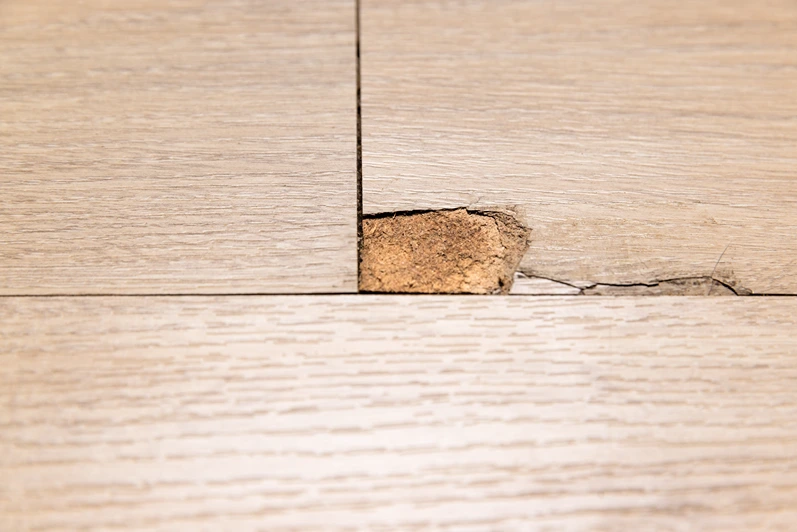
Yes, high humidity can contribute to vinyl plank flooring buckling, especially when moisture reaches the subfloor or the flooring lacks enough room to move. Vinyl plank flooring is designed to handle normal indoor conditions, but prolonged moisture exposure, temperature fluctuations, and installation issues can create enough stress for planks to lift, separate, or shift.
How Humidity Affects Vinyl Plank Flooring
High humidity increases moisture in the surrounding environment, which can affect the flooring system, adhesives, and subfloor beneath the planks. While many vinyl products are highly moisture-resistant, excessive humidity combined with poor ventilation or trapped moisture can contribute to vinyl plank flooring moisture problems.
The risk depends on the product, installation method, subfloor, and indoor conditions. A properly installed floor with appropriate acclimation, expansion space, and moisture control is generally much less likely to buckle.
Does Vinyl Plank Flooring Expand in High Humidity?
Vinyl plank flooring can expand and contract slightly as temperature and environmental conditions change, although the amount of movement varies by product. The planks need adequate perimeter space so natural movement does not create pressure against walls, cabinets, door frames, or other fixed surfaces.
Large rooms, expansive open floor plans, and areas exposed to significant temperature changes require particular attention to manufacturer installation requirements. Following the specified expansion allowance helps prevent pressure-related movement and buckling.
What Humidity Level Is Best for Vinyl Plank Flooring?
A relative humidity range of approximately 35% to 65% is commonly suitable for indoor flooring, but the manufacturer’s specifications should take priority for a specific vinyl product. Maintaining relatively stable humidity matters more than letting indoor conditions fluctuate dramatically throughout the day or across seasons.
A hygrometer can provide an inexpensive way to monitor indoor humidity. If readings remain consistently high, improving ventilation, using air conditioning, or operating a dehumidifier can help create a more stable flooring environment.
What Causes Vinyl Plank Flooring to Buckle?
Causes of vinyl flooring buckling include excessive moisture, insufficient expansion space, temperature changes, installation errors, subfloor moisture, and pressure from heavy fixed objects. Identifying the specific cause is important because replacing the visible damaged planks without correcting the underlying issue can lead to the same problem again.
Excessive Humidity and Moisture
Excessive humidity can increase the risk of flooring movement, especially when moisture accumulates beneath or around vinyl planks. Water leaks, condensation, poor ventilation, and wet subfloors can create more serious moisture conditions than normal household humidity alone.
Bathrooms, laundry rooms, kitchens, basements, and rooms with limited ventilation deserve particular attention. Always investigate persistent moisture instead of assuming humidity is the only cause.
No Expansion Gap Around Vinyl Plank Flooring
A missing or inadequate expansion gap can cause vinyl planks to press against walls and other fixed surfaces as the flooring moves. This pressure can force planks upward, creating ridges, raised sections, or visible buckling across the floor.
Manufacturers specify expansion requirements based on the particular product and installation system. Installers should follow those specifications around walls, cabinets, doorways, transitions, and other permanent structures.
Sudden Temperature Changes
Rapid temperature changes can cause flooring materials to move more noticeably than stable indoor conditions. Direct sunlight, heating systems, large windows, and poorly controlled rooms can expose sections of flooring to substantial temperature differences.
The problem can become more noticeable when a floor has limited expansion space. Maintaining consistent indoor temperatures and following installation requirements can reduce unnecessary movement.
Improper Vinyl Plank Flooring Installation
Improper installation can increase the likelihood of buckling, especially when installers skip acclimation, ignore expansion requirements, or install planks over an unsuitable surface. These vinyl flooring installation problems can create stress that becomes more visible as environmental conditions change.
Installation requirements vary between click-lock, glue-down, and other vinyl flooring systems. The manufacturer’s instructions should always guide subfloor preparation, temperature conditions, adhesive use, plank spacing, and installation procedures.
Moisture Problems in the Subfloor
Moisture trapped in concrete, wood, or other subflooring can affect flooring from underneath, even when the room itself appears dry. This is one reason surface-level inspection alone may not reveal the source of a buckling problem.
Subfloor moisture can result from ground moisture, plumbing leaks, inadequate curing, condensation, or previous water damage. Perform moisture testing when you suspect conditions beneath the flooring.
Heavy Furniture and Fixed Objects
Heavy furniture can restrict the natural movement of floating vinyl plank flooring and contribute to buckling when the installation requires the floor to move freely. Built-in cabinets, islands, permanent fixtures, and other structures can create similar pressure points.
Furniture itself usually doesn’t cause buckling on a properly installed floor. The concern is greater when heavy or fixed objects prevent a floating floor from moving as designed.
Signs Your Vinyl Plank Flooring Is Buckling
Buckling can appear in several ways, from obvious raised planks to subtle changes in how the floor feels underfoot. Recognizing these signs early can help identify moisture or installation problems before additional sections become affected.
Raised or Lifted Vinyl Planks
Raised planks are one of the clearest signs that pressure or moisture may be affecting the flooring system. Individual pieces may lift at the edges, rise in the middle, or form visible ridges across multiple planks.
A raised area does not automatically prove that humidity caused the problem. Inspect the flooring for expansion restrictions, moisture, temperature exposure, and installation issues before repairs begin.
Gaps Between Vinyl Planks
Gaps can develop when vinyl planks shift, contract, or lose their intended connection. Small changes can occur naturally, but noticeable or expanding gaps may indicate movement that warrants further inspection.
The location and pattern of the gaps can provide useful clues. Gaps near walls may point toward perimeter issues, while widespread separation can indicate temperature changes, installation problems, or movement within the flooring system.
Peaking at Vinyl Plank Flooring Seams
Peaking occurs when plank edges rise at seams, creating visible high points across the floor surface. This can happen when pressure builds between planks or when sections of flooring move because of moisture, temperature, or inadequate installation space.
Seam peaking can worsen over time if the underlying cause remains. Inspecting the surrounding area can help determine if the problem is localized or affecting the entire installation.
Clicking or Movement When Walking
Clicking, shifting, or movement beneath your feet can indicate that vinyl planks are no longer sitting securely in their intended position. These sensations may also point to subfloor irregularities or installation problems rather than humidity alone.
Pay attention to where the movement occurs and whether it changes with temperature or moisture conditions. A flooring professional can inspect unstable areas and determine what is causing the movement.
Clicking or Movement When Walking
Don’t ignore repeated clicking or movement when it appears alongside raised planks, gaps, or seam peaking. These combined symptoms can indicate the flooring system is moving or under pressure that needs correction.
Documenting the affected areas can help with troubleshooting. Photos and notes about recent leaks, humidity changes, or installation work may also help identify the source.
How to Tell Whether Humidity Is Causing Your Vinyl Plank Flooring to Buckle
Humidity may be involved, but testing is necessary to distinguish high indoor moisture from other potential causes. A practical inspection should evaluate room humidity, subfloor conditions, expansion space, water intrusion, and the original installation.
Check Indoor Humidity Levels
Measure indoor relative humidity with a digital hygrometer placed near the affected flooring area. Consistently high readings can support a humidity-related diagnosis, but they don’t prove humidity is the direct cause of the buckling.
Record humidity levels at different times of day for several days. This can reveal large fluctuations that may not show up in a single reading.
Inspect the Subfloor for Moisture
Check subfloor moisture when buckling appears alongside water stains, musty odors, leaks, or persistent dampness. Moisture meters and appropriate testing methods can identify conditions you can’t detect by looking at the flooring surface.
The correct testing method depends on the subfloor material and flooring system. Address any significant moisture source before installing new flooring.
Check the Vinyl Plank Flooring Expansion Gap
Inspect the room’s perimeter to determine whether the flooring has enough space to move. Flooring pressed tightly against walls, cabinets, trim, or other fixed objects may have insufficient clearance.
You may need to remove trim to inspect the perimeter properly. Base the required gap on the manufacturer’s installation instructions rather than a universal measurement.
Look for Plumbing Leaks or Water Intrusion
Plumbing leaks can introduce enough moisture to cause flooring problems even when overall indoor humidity is normal. Check beneath sinks, around appliances, near bathrooms, and along walls for signs of water intrusion.
Exterior water entry can also affect floors near doors, windows, foundations, or poorly sealed areas. Fixing the water source matters more than treating the visible flooring damage.
Review How the Vinyl Plank Flooring Was Installed
Review the product instructions and installation details to identify possible installation-related problems. Important factors include subfloor preparation, acclimation, expansion spacing, adhesive application, room temperature, and installation over existing materials.
The installation method matters because floating floors and adhered floors respond differently to environmental conditions. If documentation is unavailable, a flooring professional can evaluate the finished installation for common deficiencies.
How to Fix Buckled Vinyl Plank Flooring
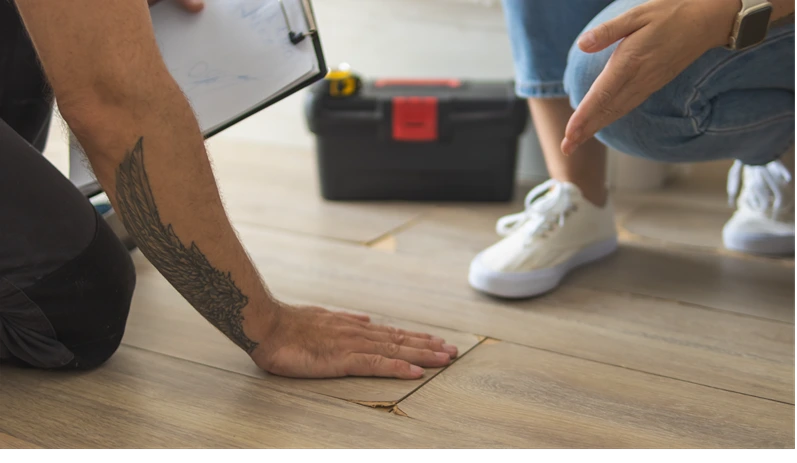
The right repair depends on why the flooring buckled, so correct the underlying moisture or installation issue before replacing affected planks. Minor movement may sometimes be addressed by correcting environmental conditions and expansion restrictions, while severe damage can require partial or complete replacement.
Reduce Excess Humidity Around Vinyl Plank Flooring
Use air conditioning, improved ventilation, or a dehumidifier to bring excessive indoor humidity back into a stable range. Continue monitoring humidity after adjustments to confirm that conditions remain consistent.
Simply lowering humidity may not repair planks that have already been permanently damaged. It is most effective when excessive indoor moisture is identified early and the flooring remains structurally sound.
Correct Moisture Problems Before Repairing the Flooring
Repair leaks, condensation, wet subfloors, and other moisture sources before replacing damaged flooring. Installing new planks over a wet or compromised surface can allow the same problem to return. Let affected materials dry properly before proceeding with repairs. Professional moisture testing may be necessary when the source or extent of the problem is unclear.
Create the Proper Expansion Gap
If buckling is caused by restricted movement, you may need to trim or reinstall the flooring to restore the required perimeter clearance. The correct gap varies by product, room size, installation method, and manufacturer specifications.
Removing pressure from fixed surfaces can sometimes allow a floating floor to settle. Severely distorted planks may still need replacement after you correct the restriction.
Replace Damaged Vinyl Planks
Planks that are permanently warped, cracked, separated, or otherwise damaged may need to be replaced. Matching replacement material is easiest when extra planks from the original installation have been saved.
Before installing replacements, correct the cause of the damage. Replacing only the visible section without addressing moisture or expansion problems can result in recurring buckling.
Call a Flooring Professional for Severe Buckling
Professional inspection is recommended when large sections of flooring are raised, moisture is suspected, or the cause cannot be identified. A qualified flooring professional can evaluate the planks, subfloor, installation method, and surrounding conditions.
Shans Carpets and Fine Flooring Inc. can help homeowners evaluate flooring concerns and determine an appropriate repair or replacement approach. Professional guidance is particularly valuable when buckling extends across multiple rooms or appears after water damage.
How to Prevent Vinyl Plank Flooring From Buckling
Preventing buckling starts with stable indoor conditions, proper subfloor preparation, correct installation, and quick response to moisture. These measures reduce the conditions that commonly contribute to movement and flooring damage.
Maintain Stable Indoor Humidity
Keep indoor humidity within the flooring manufacturer’s recommended range and avoid prolonged exposure to excessive moisture. Air conditioning and dehumidification can help maintain more consistent conditions in humid environments.
Monitoring humidity is especially useful during heavy rain or periods of high outdoor moisture. A simple digital hygrometer can provide an early warning when indoor conditions become unfavorable.
Prepare the Subfloor Before Installing Vinyl Plank Flooring
The subfloor should be clean, dry, structurally sound, and sufficiently level before installation begins. Uneven or damp surfaces can create problems that become visible after you install the vinyl flooring.
Concrete subfloors may require moisture testing before installation. Wood subfloors should also be evaluated for damage, moisture, movement, and structural issues.
Follow Vinyl Plank Flooring Installation Requirements
Follow the manufacturer’s instructions for acclimation, room temperature, expansion spacing, subfloor preparation, and installation technique. These requirements are designed around the product’s construction and should not be replaced with general assumptions about vinyl flooring.
Installation errors are easier and less expensive to prevent than repair. Using the correct tools and procedures can also help maintain consistent seams and transitions.
Use Moisture Barriers When Required
A moisture barrier may be appropriate for certain subfloor and installation conditions, but use it only when it’s compatible with the flooring system and the manufacturer’s instructions. The correct barrier can help manage moisture transmission from the subfloor.
Not every vinyl product requires the same moisture-control approach. The flooring specifications should determine the appropriate product and installation method.
Protect Vinyl Plank Flooring From Excessive Heat
Protect flooring from prolonged exposure to intense direct sunlight and concentrated heat sources. Large windows, glass doors, heating appliances, and other sources can create localized temperature increases that contribute to flooring movement.
Window coverings can help reduce direct solar exposure in areas that become unusually hot. Maintaining stable room temperatures can also reduce repeated expansion and contraction.
Clean Spills and Leaks Quickly
Clean standing water and spills promptly to reduce the chance of moisture reaching seams, edges, or the subfloor. Repair leaks from appliances and plumbing fixtures immediately rather than repeatedly drying them after each occurrence.
Routine cleaning should follow the flooring manufacturer’s care instructions. Excessive water during cleaning can create unnecessary moisture exposure.
Is Vinyl Plank Flooring a Good Choice for Humid Climates?
Yes, vinyl plank flooring can be a practical option for humid climates because many products offer strong moisture resistance and easy maintenance. However, moisture resistance does not make the entire flooring system immune to installation errors, subfloor moisture, flooding, or prolonged environmental exposure.
Benefits of Vinyl Plank Flooring in High-Humidity Areas
Vinyl plank flooring offers several advantages for homes and commercial spaces exposed to humid conditions. Depending on the specific product, benefits can include:
- Moisture resistance: Many vinyl products resist surface water better than moisture-sensitive flooring materials.
- Easy maintenance: Routine cleaning typically requires less moisture than some traditional flooring systems.
- Durable construction: Quality products can withstand regular household traffic and everyday wear.
- Design flexibility: Luxury vinyl plank flooring is available in wood-inspired colors, textures, and patterns.
- Versatile installation: Products are available in floating, glue-down, and other installation systems.
The product’s construction and installation requirements still matter significantly. Choosing flooring specifically suited to the room’s moisture and temperature conditions can reduce potential problems.
What to Consider Before Installing Vinyl Plank Flooring in a Humid Climate
Humidity should be considered alongside subfloor conditions, ventilation, room temperature, water exposure, and installation requirements. A moisture-resistant surface cannot compensate for a wet subfloor or an installation that prevents proper flooring movement.
Before installation, evaluate:
- Indoor humidity patterns
- Subfloor moisture
- Room temperature
- Direct sunlight exposure
- Plumbing and appliance locations
- Required expansion spacing
- Manufacturer installation requirements
These factors can help determine whether a particular vinyl product is appropriate for the space.
When Should Buckled Vinyl Plank Flooring Be Replaced?
Replace buckled flooring when planks remain permanently distorted, damaged, cracked, separated, or unstable after you correct the underlying problem. Replacement may also be necessary when water damage has extensively affected the flooring or subfloor.
Small affected areas may sometimes be repaired with individual plank replacement. Widespread buckling often warrants a professional assessment because the visible damage may be connected to a larger moisture or installation problem.
Vinyl Plank Flooring Buckling: Prevention Is Easier Than Repair
Vinyl plank flooring buckling can result from humidity, moisture, insufficient expansion space, temperature changes, installation errors, subfloor conditions, or restricted movement from fixed objects. High humidity can contribute, but it shouldn’t automatically be considered the sole cause.
The best approach is to maintain stable indoor conditions, keep moisture away from the subfloor, follow product-specific installation requirements, and investigate buckling as soon as it appears. For homeowners who need help diagnosing flooring problems or planning repairs, Shans Carpets and Fine Flooring Inc. can provide professional guidance on the appropriate next steps. Contact us today!
Frequently Asked Questions
Can high humidity damage vinyl plank flooring?
Yes, consistently high humidity can contribute to vinyl plank flooring problems, particularly when moisture reaches the subfloor or combines with poor installation conditions. Maintaining stable indoor humidity and addressing moisture sources can reduce the risk of damage.
What causes vinyl plank flooring to buckle?
Vinyl plank flooring can buckle because of excessive moisture, inadequate expansion gaps, temperature changes, improper installation, wet subfloors, or heavy fixed objects restricting movement. Identify the exact cause before repairs to prevent the problem from returning.
What humidity level is best for vinyl plank flooring?
A relative humidity range of approximately 35% to 65% is commonly suitable for indoor flooring, although the flooring manufacturer’s specifications should take priority. Stable humidity is preferable to large fluctuations that repeatedly change the flooring environment.
Will vinyl plank flooring flatten after buckling?
Some vinyl plank flooring may settle after you correct moisture, temperature, or expansion problems, but permanently distorted planks may not return to their original shape. Severely damaged or warped pieces may need to be removed and replaced.
Does vinyl plank flooring need an expansion gap?
Yes, floating vinyl plank flooring generally requires a perimeter expansion gap, as specified by the manufacturer, to accommodate natural movement. The required spacing can vary by product, room size, installation method, and environmental conditions.