

Tile Flooring Can Improve Indoor Air Quality
Tile flooring improves indoor air quality by reducing trapped dust, allergens, and airborne irritants inside the home. The use of tile flooring creates a cleaner surface that supports healthier living environments in both residential and commercial spaces.
This article explains how tile flooring affects air quality and why it is considered one of the most effective indoor air quality flooring solutions. It also covers benefits, installation factors, and maintenance practices that support healthier indoor environments.
Understanding the Connection Between Flooring and Indoor Air Quality
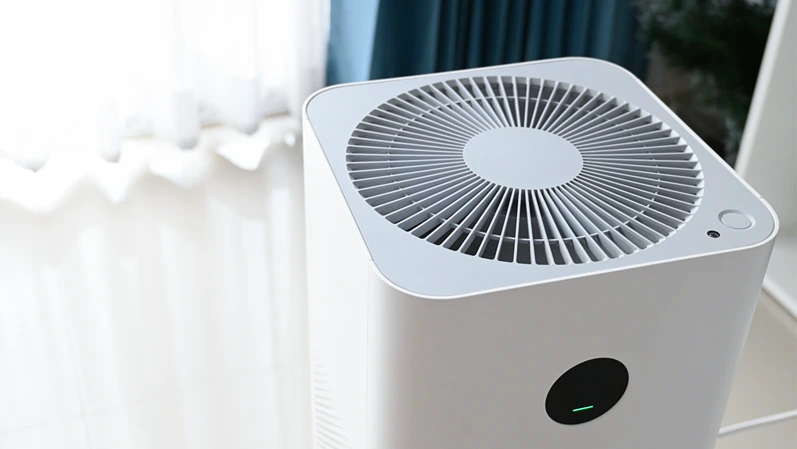
Flooring directly impacts indoor air quality because it determines how dust, allergens, and chemicals accumulate or disperse.
What Is Indoor Air Quality?
Indoor air quality is the level of cleanliness and safety of air inside enclosed spaces. It reflects the presence of pollutants such as dust, pet dander, mold spores, and chemical emissions.
Poor indoor air quality can lead to respiratory discomfort and long-term health issues.
How Traditional Flooring Can Affect Indoor Air Quality
Traditional flooring materials can trap pollutants and release chemicals over time. Carpets, for example, often hold dust, allergens, and moisture that circulate back into the air.
Hard surfaces that are not sealed properly can also contribute to pollutant buildup.
Why Tile Flooring Is One of the Best Flooring Choices for Indoor Air Quality
Tile flooring is one of the best choices for cleaner indoor air because it does not trap allergens or emit harmful gases.
Tile Flooring Does Not Trap Dust, Allergens, or Pet Dander
Tile surfaces remain solid and non-porous, which prevents the buildup of airborne particles. This makes tile flooring for allergies highly effective in reducing triggers inside the home.
Dust and dander stay on the surface and can be easily removed.
Tile Flooring Helps Reduce Airborne Allergens
Tile flooring minimizes the circulation of allergens because particles cannot embed into the surface. This supports a healthier breathing environment for occupants.
This is one of the strongest benefits of tile flooring for households focused on wellness.
Tile Flooring Is Resistant to Mold and Mildew Growth
Tile resists moisture penetration, which limits mold and mildew formation. This makes it especially useful in humid environments or spill-prone areas.
Moisture resistance improves overall hygiene and air freshness.
Low-VOC Tile Flooring Improves Indoor Air Quality
Tile flooring contributes to healthier air because it emits minimal volatile organic compounds when properly installed.
What Are VOCs and Why Do They Matter?
VOCs are chemicals released from building materials that can affect breathing comfort and overall health. They are commonly found in adhesives, paints, and synthetic flooring. Reducing VOC exposure supports cleaner indoor environments.
Ceramic and Porcelain Tile Flooring Produces Minimal VOC Emissions
Ceramic and porcelain tiles are widely recognized as healthy flooring options because they contain minimal chemical emissions. Their solid composition reduces air contamination risks. This contributes to safer long-term indoor air quality.
Choosing Low-VOC Mortars, Adhesives, and Grouts
Installation materials can influence air quality even when the tile itself is safe. Low-VOC adhesives and grouts help maintain cleaner indoor air. This enhances the overall performance of ceramic tile flooring.
Tile Flooring for Allergy and Asthma Relief

Tile flooring supports respiratory comfort by reducing exposure to common indoor triggers.
Why Tile Flooring Is a Hypoallergenic Flooring Option
Tile is considered hypoallergenic flooring because it does not harbor dust mites or allergens. Its smooth surface limits contamination buildup. This makes it ideal for sensitive individuals.
Benefits for Households With Pets
Pet owners benefit from tile because fur, dander, and spills remain on the surface. Cleaning becomes faster and more effective. This improves both hygiene and indoor air freshness.
Creating an Allergy-Friendly Home With Tile Flooring
An allergy-friendly home relies on surfaces that reduce airborne irritants. Tile flooring supports this by limiting allergen circulation. It remains a leading choice for improved respiratory comfort.
Tile Flooring Makes Cleaning and Maintenance Easier
Tile flooring simplifies cleaning routines, which directly improves indoor air quality.
Daily Cleaning Tips for Better Indoor Air Quality
Daily sweeping or vacuuming removes dust before it circulates into the air. Damp mopping helps capture fine particles. Consistent cleaning keeps the air cleaner and fresher.
Preventing Dust and Allergen Buildup
Regular maintenance prevents the accumulation of allergens on surfaces. This reduces the chance of airborne irritation. Cleaner floors support healthier breathing environments.
Long-Term Maintenance Benefits of Tile Flooring
Tile requires minimal long-term upkeep compared to softer materials. It retains its structure and cleanliness for years. This durability supports stable indoor air quality over time.
Best Types of Tile Flooring for Healthy Indoor Environments
Different tile types offer varying benefits for indoor air quality and durability.
Porcelain Tile Flooring
Porcelain tile is dense and highly resistant to moisture. It is ideal for maintaining clean indoor environments.
It performs well in high-traffic areas.
Ceramic Tile Flooring
Ceramic tile is cost-effective and easy to maintain. It provides strong air quality benefits at an accessible price point.
It is widely used in residential homes.
Natural Stone Tile Flooring
Natural stone offers durability and aesthetic appeal. It requires sealing to maintain optimal air quality performance.
It is suitable for premium interior designs.
Where to Install Tile Flooring for Maximum Indoor Air Quality Benefits
Tile flooring improves air quality most in moisture-prone and high-traffic areas.
Kitchens
Kitchens benefit from tile because spills and food particles are easy to clean. This reduces airborne odors and contaminants.
Bathrooms
Bathrooms require moisture-resistant surfaces to prevent mold growth. Tile helps maintain hygienic air conditions.
Living Rooms
Living rooms with tile reduce dust accumulation from daily activities. This improves overall air circulation.
Bedrooms
Bedrooms benefit from allergen reduction for improved sleep quality. Tile supports a cleaner resting environment.
Basements
Basements often have humidity issues that affect air quality. Tile helps prevent moisture-related contamination.
Comparing Tile Flooring vs. Other Flooring Types for Indoor Air Quality
Tile flooring performs better than many alternatives in controlling indoor pollutants.
| Flooring Type | Dust Retention | VOC Emissions | Moisture Resistance |
| Tile Flooring | Low | Very Low | High |
| Carpet | High | Medium | Low |
| Vinyl | Medium | Medium | Medium |
| Hardwood | Medium | Low to Medium | Medium |
Tile flooring consistently ranks higher for indoor air cleanliness and durability.
Additional Ways Tile Flooring Supports a Healthier Home
Tile flooring improves home health through multiple environmental factors.
Improved Air Circulation
Hard surfaces allow better airflow compared to dense carpet materials. This reduces pollutant stagnation.
Reduced Chemical Exposure
Tile reduces reliance on chemical-heavy cleaning products. This lowers exposure to harmful substances.
Better Moisture Management
Tile resists water absorption, which prevents mold development. This directly improves air quality.
Long-Term Sustainability Benefits
Tile lasts for decades, reducing waste and replacement frequency. This supports environmentally responsible living.
Professional Tile Installation Matters for Indoor Air Quality
Proper installation ensures tile flooring performs effectively in improving indoor air quality.
Proper Subfloor Preparation
A stable subfloor prevents moisture issues and structural damage. This supports long-term cleanliness.
Moisture Control Measures
Moisture barriers reduce the risk of mold beneath flooring. This protects indoor air quality.
High-Quality Installation Materials
Using low-emission adhesives improves environmental safety. This ensures healthier indoor conditions.
Ensuring Long-Term Flooring Performance
Professional installation prevents cracks and gaps that trap debris. This maintains cleaner air over time.
A trusted provider like Shans Carpets and Fine Flooring, Inc. ensures proper installation methods that support healthier indoor environments.
Is Tile Flooring Worth It for Better Indoor Air Quality?
Tile flooring is worth it for improving indoor air quality because it reduces allergens, limits moisture issues, and minimizes chemical exposure. It also supports easier cleaning and long-term environmental health inside the home. This makes tile one of the most reliable flooring choices for cleaner indoor living.
Frequently Asked Questions
Does tile flooring improve indoor air quality?
Tile flooring improves indoor air quality by reducing dust, allergens, and chemical buildup on surfaces. Its non-porous structure helps maintain cleaner air inside the home.
What type of tile flooring is best for allergy sufferers?
Porcelain and ceramic tiles are best for allergy sufferers because they resist dust and allergen accumulation. They are also easy to clean and maintain.
Can tile flooring help reduce dust in the home?
Tile flooring reduces dust by preventing particles from embedding into the surface. Regular cleaning keeps dust levels significantly lower.
Is ceramic tile flooring a healthy flooring option?
Ceramic tile flooring is a healthy flooring option because it emits minimal VOCs and does not trap allergens. It supports cleaner and safer indoor environments.
How often should tile flooring be cleaned to maintain indoor air quality?
Tile flooring should be cleaned weekly with sweeping and mopping for optimal indoor air quality. High-traffic areas may require more frequent maintenance.
Cleaner Living Starts With Tile Flooring
Tile flooring improves indoor air quality by reducing allergens, controlling moisture, and limiting chemical exposure throughout the home. Its durability and low-maintenance design make it one of the most effective tile flooring solutions for healthier interiors.
For professional guidance and installation that enhances performance, Shans Carpets and Fine Flooring, Inc. provides expert support to ensure long-lasting results. Choosing the right flooring today creates a cleaner, healthier indoor environment for years to come. Contact us today!