

Why Is Moisture Testing Important Before Flooring Installation?
Moisture testing is an essential part of flooring installation because excess moisture can cause warping, adhesive failure, mold growth, and premature flooring damage. Proper moisture testing for flooring identifies hidden moisture in concrete slabs, wood subfloors, and other surfaces before materials are installed. For homeowners planning flooring installation in Houston, TX, testing is especially important because humidity, concrete moisture, plumbing issues, and previous water exposure can affect the subfloor.
This guide explains the role of moisture testing, acceptable moisture levels, testing methods, and the steps that support successful flooring installation preparation.
Why Is Moisture Testing Important Before Flooring Installation?
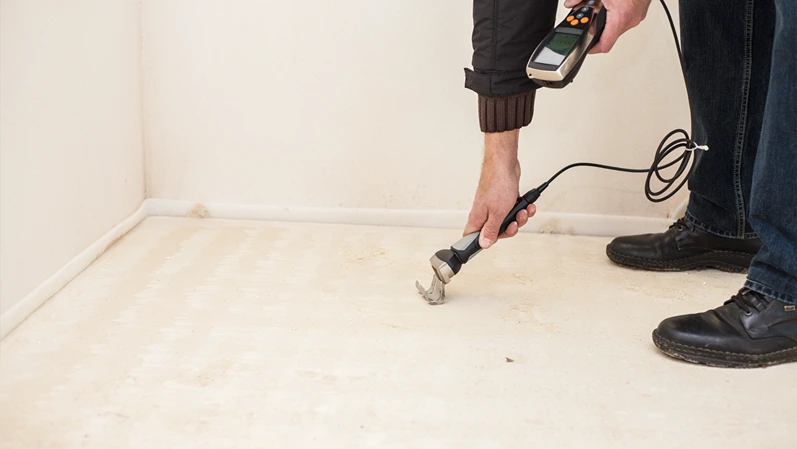
Moisture testing matters because flooring materials require a stable, appropriately dry surface for proper installation and long-term performance. Testing gives installers measurable information about the subfloor instead of relying on its appearance alone.
A subfloor can look completely dry while retaining significant moisture below the surface. Identifying that moisture before the installation of flooring allows problems to be corrected before they become expensive repairs.
Prevents Flooring From Warping or Buckling
Excess moisture can cause flooring materials to expand, contract, warp, cup, or buckle after installation. Testing helps identify moisture conditions that could cause dimensional changes before the finished floor is installed.
Helps Prevent Adhesive Failure
High moisture levels can interfere with flooring adhesives and prevent them from bonding properly to the subfloor. Moisture testing allows installers to identify conditions that may require additional drying, preparation, or an approved moisture control system.
Reduces the Risk of Mold and Mildew
Moisture trapped beneath flooring can create conditions that support mold and mildew growth. Testing helps identify damp areas before they become enclosed under flooring materials where moisture can remain difficult to detect.
Protects the Lifespan of Your Flooring Installation
Controlling subfloor moisture helps reduce the risk of premature flooring failure and protects the performance of the finished surface. Proper testing is therefore an important step in extending the useful life of a new floor.
Helps Maintain Manufacturer Warranty Requirements
Many flooring manufacturers specify moisture limits and testing procedures that must be followed before installation. Documenting test results can help demonstrate that the subfloor met the manufacturer’s requirements when the flooring was installed.
What Can Happen If You Skip Moisture Testing Before Flooring Installation?
Skipping moisture testing can allow hidden subfloor problems to affect the finished floor after installation. The resulting damage can range from cosmetic changes to complete flooring replacement.
Common problems include:
- Buckling, cupping, or swelling
- Adhesive breakdown
- Blistering or bubbling
- Staining and discolouration
- Mold and mildew growth
- Persistent odours
- Loose or lifting flooring
- Reduced flooring lifespan
Flooring Buckling and Cupping
Wood flooring can absorb excess moisture and change shape, leading to cupping, crowning, gaps, or buckling. These problems can become more noticeable as moisture levels change inside the building.
Vinyl Flooring Bubbles or Blisters
Excess moisture beneath resilient flooring can contribute to bubbles, blisters, or other surface irregularities. Moisture can also interfere with adhesive performance when the product requires an adhesive installation method.
Loose or Lifting Flooring
Flooring can loosen when moisture affects the bond between the material and the subfloor. Areas with poor adhesion may lift, shift, or develop visible gaps after installation.
Staining and Discolouration
Persistent moisture can contribute to staining beneath or around flooring materials. Discolouration may also indicate a previous leak or moisture condition that should be investigated before new flooring is installed.
Unpleasant Odours
Trapped moisture can contribute to musty or unpleasant odours, particularly when organic materials are present. Addressing the moisture source before installation helps prevent odours from becoming trapped beneath the finished floor.
Where Does Moisture Under Flooring Come From?
Moisture beneath flooring can come from the concrete slab, surrounding soil, plumbing systems, indoor humidity, or previous water exposure. Finding the source is as important as measuring the moisture level because installing flooring without addressing the source can allow the problem to return.
Moisture From Concrete Slabs
Concrete naturally contains moisture and can continue releasing it after construction is complete. A slab may require sufficient drying time before certain flooring products can be installed.
Ground Moisture
Moisture from the ground can migrate upward through concrete when an effective moisture control system is absent, damaged, or inadequate. This is particularly important for slabs located close to soil or areas with significant groundwater exposure.
Plumbing or Appliance Leaks
Leaking pipes, water heaters, washing machines, dishwashers, and other fixtures can introduce moisture into the subfloor. The affected area should be repaired and allowed to dry before new flooring is installed.
High Indoor Humidity
High indoor humidity can contribute to moisture absorption in flooring materials and wood-based subfloors. Maintaining appropriate indoor environmental conditions supports proper flooring performance before and after installation.
Flooding or Previous Water Damage
Previous flooding can leave moisture inside concrete, wood, insulation, or other building materials long after visible water has disappeared. Testing helps determine if the affected area has reached an appropriate condition for new flooring.
How Is Subfloor Moisture Testing Performed Before Flooring Installation?
Subfloor moisture testing uses different methods depending on the flooring material and substrate. Professional flooring installation preparation may involve more than one test to create a reliable picture of the subfloor condition.
Moisture Meter Testing
Moisture meters provide readings that can help identify moisture levels in wood and certain other materials. Installers can take multiple readings across the surface to locate areas with elevated moisture.
Relative Humidity Testing for Concrete
In-situ relative humidity testing measures moisture conditions within a concrete slab at a specified depth. This method provides useful information about the moisture condition of the slab and is commonly used for concrete flooring evaluations.
Calcium Chloride Testing
Calcium chloride testing measures moisture vapour emission from a concrete surface over a specified testing period. The results can help determine whether moisture vapour emissions fall within the limits established for a particular flooring product.
Visual Inspection of the Subfloor
Visual inspection identifies cracks, staining, damp areas, leaks, surface damage, and other conditions that may affect installation. It should complement moisture measurements rather than replace them because hidden moisture may not produce visible signs.
What Moisture Level Is Acceptable for Flooring Installation?
There is no single moisture limit that applies to every flooring material because manufacturers establish requirements based on the specific product and installation method. Installers should always compare test results with the flooring manufacturer’s published specifications before proceeding.
| Flooring Type | Key Moisture Consideration |
| Hardwood | Wood and subfloor moisture levels must be compatible with manufacturer requirements |
| Vinyl | Concrete moisture and moisture vapour limits vary by product and adhesive |
| Laminate | Excess moisture can damage moisture-sensitive core materials |
| Tile | Concrete moisture may affect adhesives, membranes, and installation conditions |
Moisture Levels for Hardwood Flooring Installation
Hardwood flooring installation requires careful moisture evaluation because wood naturally responds to changes in moisture content. The wood flooring and subfloor should meet the manufacturer’s specified moisture conditions before installation begins.
Moisture Requirements for Vinyl Flooring Installation
Vinyl flooring installation requires attention to concrete moisture, especially when adhesive is involved. Product specifications may establish limits for relative humidity, moisture vapour emissions, or pH, depending on the system.
Moisture Considerations for Laminate Flooring
Laminate flooring can be vulnerable to moisture because many products contain wood-based core materials. Excess moisture can contribute to swelling, edge damage, separation, or other forms of deterioration.
Moisture Considerations for Tile Flooring
Tile itself is highly resistant to water, but the materials beneath it still require appropriate preparation. Concrete moisture, substrate condition, membranes, mortar, and adhesive requirements should all be evaluated before installation.
Does New Concrete Need Moisture Testing Before Flooring Installation?
Yes, new concrete should be tested before flooring installation because curing and drying are different processes that can continue for an extended period. A slab can appear dry at the surface while retaining enough internal moisture to affect certain flooring products.
Why a Concrete Slab Can Look Dry but Still Contain Moisture
A concrete surface can feel dry while moisture remains deeper within the slab. Testing provides measurable information about internal moisture conditions that cannot be confirmed through appearance or touch alone.
What Is a Flooring Moisture Barrier?
A flooring moisture barrier is a material or system designed to limit moisture transmission from a substrate into the flooring assembly. The appropriate barrier depends on the flooring product, substrate, building conditions, and manufacturer’s installation requirements.
When Is a Moisture Barrier Needed During Flooring Installation?
A moisture barrier may be required when moisture could migrate from a concrete slab into moisture-sensitive flooring materials. The barrier should be selected and installed according to the flooring manufacturer’s specifications and the conditions identified during testing.
Moisture Barrier vs Moisture Mitigation System
A moisture barrier helps restrict moisture movement, while a moisture mitigation system is generally designed to address elevated moisture conditions in a substrate. The appropriate solution depends on the measured moisture level, moisture source, flooring system, and manufacturer’s requirements.
How Moisture Testing Helps With Proper Subfloor Preparation
Moisture testing helps installers determine what preparation the subfloor needs before materials are installed. Depending on the findings, preparation may include:
- Allowing additional drying time
- Repairing plumbing or appliance leaks
- Improving ventilation or indoor humidity control
- Installing an approved moisture barrier
- Applying a compatible moisture mitigation system
- Repairing damaged substrate areas
- Removing contaminated or compromised materials
For homeowners working with Shans Carpets and Fine Flooring Inc, discussing moisture conditions during the planning stage can help establish the appropriate preparation steps before installation begins.
Which Flooring Types Are Most Sensitive to Moisture?
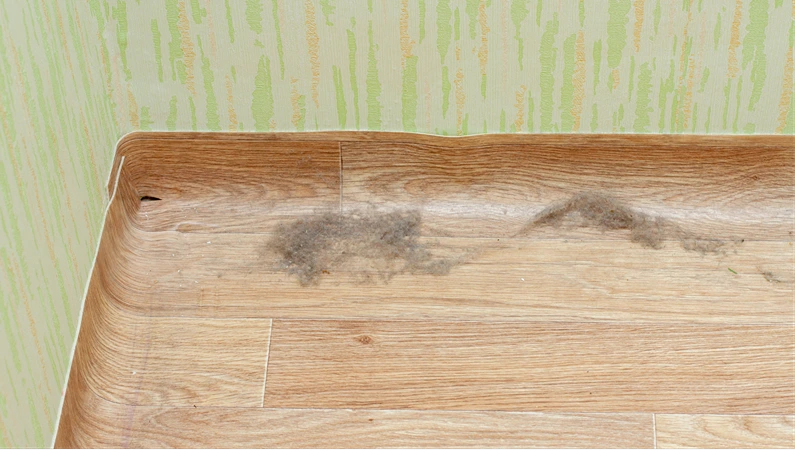
Wood-based flooring products are generally among the most moisture-sensitive materials, but moisture can affect many flooring systems when levels exceed manufacturer specifications. Hardwood, engineered wood, laminate, some vinyl systems, carpet materials, and flooring adhesives can all have specific moisture limitations.
Factors that affect moisture sensitivity include:
- Flooring material
- Subfloor type
- Installation method
- Adhesive requirements
- Concrete slab condition
- Indoor humidity
- Moisture vapour transmission
- Manufacturer specifications
What Happens If Moisture Levels Are Too High Before Flooring Installation?
If moisture levels are too high, flooring installation should generally be delayed until the condition is corrected or an approved moisture control solution is implemented. Installing over an excessively damp substrate can increase the risk of flooring failure, adhesive problems, odours, mold growth, and premature replacement.
The correct response depends on the source and severity of the moisture problem. Testing should be followed by appropriate drying, repairs, moisture mitigation, or barrier installation when required.
Can You Test Flooring Moisture Yourself?
Homeowners can purchase moisture meters and conduct basic checks, but professional testing may provide more reliable information for major flooring projects. Different flooring materials and concrete substrates require different testing methods, and a basic meter reading may not satisfy manufacturer or installation requirements.
When Should You Call a Professional Flooring Installer?
You should call a professional flooring installer when moisture readings are elevated, the substrate is concrete, previous water damage exists, or the flooring manufacturer requires documented testing. Professional evaluation can also help identify moisture sources and determine which preparation method is compatible with the planned flooring system.
Moisture Testing Checklist Before Flooring Installation
Use this checklist before scheduling your flooring project:
- Inspect the subfloor for stains, cracks, leaks, and visible damage.
- Identify potential moisture sources such as plumbing, appliances, soil, or previous flooding.
- Test the substrate using a method appropriate for the material.
- Take multiple readings instead of relying on one location.
- Compare results with the flooring manufacturer’s requirements.
- Allow sufficient drying time when moisture levels are elevated.
- Repair leaks and water damage before installation.
- Install an approved moisture barrier or mitigation system when required.
- Document test results for project records and warranty purposes.
- Confirm final conditions before materials are installed.
Following these steps creates a more controlled foundation for the Installation of flooring and can reduce the risk of avoidable problems after the project is complete.
Why Professional Moisture Testing Can Protect Your Flooring Investment
Professional moisture testing protects your flooring investment by identifying conditions that may not be visible before installation. It also gives installers objective information for selecting appropriate preparation methods, moisture control products, adhesives, and installation procedures.
For homeowners planning flooring installation in Houston, TX, moisture evaluation should be part of the project rather than an optional afterthought. Shans Carpets and Fine Flooring Inc can help homeowners address important subfloor conditions before installation, supporting a more reliable foundation for the finished flooring.
A professional installer can also coordinate moisture testing with acclimation, subfloor repairs, product requirements, and installation scheduling. Taking these steps before work begins can help reduce premature flooring failure and protect the appearance and performance of the finished floor. Contact us today!
Frequently Asked Questions
Is moisture testing necessary before every flooring installation?
Moisture testing is recommended before flooring installation when the substrate or flooring system has moisture-related requirements, particularly with concrete slabs and moisture-sensitive materials. The specific testing method depends on the flooring product, substrate, and manufacturer’s instructions.
What happens if flooring is installed over a wet concrete slab?
Installing flooring over a wet concrete slab can cause adhesive failure, mold growth, bubbling, staining, odours, or flooring deterioration. The severity depends on the moisture level, flooring material, installation method, and product requirements.
How do you test concrete moisture before flooring installation?
Concrete moisture can be evaluated using methods such as in-situ relative humidity testing and calcium chloride testing. The selected method should comply with the flooring manufacturer’s requirements and applicable industry standards.
How long should concrete dry before flooring installation?
Concrete may require weeks or longer to reach an acceptable moisture condition, so there is no universal drying period that applies to every slab. Drying time depends on slab thickness, environmental conditions, concrete composition, ventilation, humidity, and moisture exposure.
Can moisture come through concrete flooring?
Yes, moisture can migrate through concrete from the ground or move within the slab as moisture vapour. A concrete surface can appear dry while still transmitting enough moisture to affect certain flooring systems.