

Porcelain Tile for Whole-House Flooring: Is It Practical?
Porcelain tile for whole-house flooring is a practical option for homeowners who want durable, water-resistant, and low-maintenance floors throughout their living spaces. Made from refined clay and fired at high temperatures, porcelain tile flooring offers excellent wear resistance and a wide range of designs that complement different interior styles.
However, its hard surface, installation requirements, and upfront costs deserve careful consideration before committing to it for every room. Understanding its benefits, limitations, and long-term performance can help you decide if porcelain floor tiles are the right investment for your home.
What Is Porcelain Tile Flooring?
Porcelain tile flooring is a type of ceramic flooring manufactured from refined clay and other minerals, then fired at high temperatures to create a dense, durable surface with low water absorption. Its strength and moisture resistance make it suitable for residential areas that experience frequent foot traffic, spills, and everyday wear.
Porcelain tiles are available in numerous colors, patterns, sizes, and finishes, allowing homeowners to maintain a consistent flooring style across multiple rooms.
Different Types of Porcelain Floor Tiles
Porcelain floor tiles come in several styles and finishes designed for different functional and aesthetic needs. The right choice depends on the room’s moisture exposure, traffic levels, and desired appearance.
- Glazed porcelain: Features a protective surface layer available in various colors, patterns, and finishes.
- Unglazed porcelain: Has a consistent material appearance throughout the tile and can provide excellent durability.
- Polished porcelain: Offers a smooth, reflective surface that creates a sophisticated look in formal living spaces.
- Matte porcelain: Provides a softer appearance with less glare, making it a versatile choice for everyday interiors.
- Textured porcelain: Features a surface designed to improve traction in areas where slipping is a concern.
- Wood-look porcelain: Replicates the appearance of hardwood while offering greater resistance to moisture.
- Stone-look porcelain: Mimics marble, slate, limestone, and other natural materials without requiring the same level of stone-specific care.
Porcelain Tile vs Ceramic Tile: What’s the Difference?
The primary difference between porcelain tile vs ceramic tile is that porcelain generally has a denser body and lower water absorption, making it especially suitable for demanding residential applications. Both materials can perform well indoors, but porcelain is often preferred for areas exposed to frequent moisture and heavy use.
| Feature | Porcelain Tile | Ceramic Tile |
| Composition | Refined clay and minerals fired at high temperatures | Clay and minerals fired at lower temperatures in many manufacturing processes |
| Water absorption | 0.5% or less under the applicable ASTM classification | Generally higher, depending on the product |
| Durability | Excellent for high-traffic areas | Suitable for many residential spaces |
| Weight | Often heavier | Often lighter |
| Installation | Can require specialized cutting tools | Often easier to cut |
| Cost | Generally higher | Often more affordable |
| Best applications | Kitchens, bathrooms, hallways, and whole-house installations | Living spaces, walls, and many residential floors |
Choose porcelain when low water absorption and heavy-duty performance are priorities. Ceramic tile may be sufficient for rooms with lighter demands and a tighter flooring budget.
What Are the Benefits of Porcelain Tile Flooring Throughout the House?
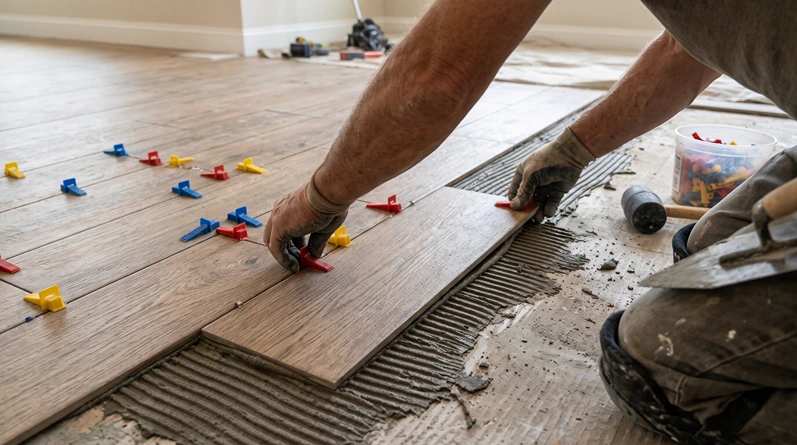
The benefits of porcelain tile flooring include durability, moisture resistance, straightforward cleaning, and extensive design flexibility. These qualities make porcelain a strong candidate for homeowners who want consistent flooring across several rooms.
Exceptional Durability for High-Traffic Areas
Porcelain tile performs well in high-traffic areas because its dense composition resists everyday wear, abrasion, and many common household impacts. It is particularly useful for entryways, hallways, kitchens, and living rooms where people walk frequently.
Quality porcelain products can also resist scratches better than many softer flooring materials, although heavy impacts and improper installation can still cause damage.
Water and Moisture Resistance
Porcelain tile resists water absorption, making it suitable for bathrooms, laundry rooms, and kitchens where spills and humidity are common. Its low absorption rate also reduces the risk of moisture-related problems within the tile itself.
However, grout lines, movement joints, and the underlying installation still require appropriate protection, especially in showers and other wet areas.
Low Maintenance and Easy Cleaning
Porcelain tile requires relatively little routine maintenance because its surface generally resists stains and does not need periodic sealing. Regular sweeping and damp mopping are usually sufficient to remove dust, dirt, and everyday spills.
Homeowners should follow the manufacturer’s cleaning recommendations and use compatible products to protect the tile finish and grout.
Versatile Designs for Different Interior Styles
Porcelain tile accommodates a wide range of interior styles, from traditional homes to contemporary open-plan layouts. Wood-look planks, marble-inspired patterns, and neutral stone finishes let homeowners create a coordinated look without using multiple flooring materials.
Larger tiles can also reduce grout lines, creating a more continuous visual effect across connected spaces.
Long-Lasting Flooring Performance
Properly selected and installed porcelain flooring can last for several decades, making it a long-term option for residential properties. Its lifespan depends on tile quality, subfloor stability, installation workmanship, maintenance, and traffic.
Homeowners who prioritize longevity may find the initial expense worthwhile compared with materials that need more frequent replacement.
What Are the Disadvantages of Using Porcelain Tile for Whole-House Flooring?
Porcelain tile performs well, but its hardness, temperature, installation cost, and repair needs can make it less suitable for certain households. Evaluating these drawbacks helps determine where tile makes sense and where another material may be more comfortable.
Hard Surface and Reduced Underfoot Comfort
Porcelain tile creates a firm walking surface that can feel uncomfortable during extended periods of standing. Unlike carpet or cushioned vinyl, it offers little impact absorption, which may matter to people who spend considerable time cooking or working on their feet.
Area rugs, cushioned kitchen mats, and supportive footwear can improve comfort without sacrificing the flooring’s durability.
Cold Flooring in Certain Climates
Porcelain tile can feel cold underfoot because it draws heat away from the body more readily than carpet or some other flooring materials. This can be noticeable in bedrooms and living spaces during colder months.
Radiant floor heating can make tiled rooms more comfortable, but homeowners should factor in the added installation costs and confirm the selected system is compatible with the flooring assembly.
Higher Installation Costs
Porcelain tile often costs more to install than laminate or basic vinyl because it is dense, heavy, and harder to cut. Installation may also require careful subfloor preparation, specialized equipment, and additional labor for intricate layouts.
Request a detailed estimate that includes materials, labor, surface preparation, grout, trim, and waste allowance before setting your budget.
Potential Slipperiness and Safety Concerns
Some polished porcelain tiles can become slippery when wet, particularly in bathrooms, laundry rooms, and entryways. Matte or textured tiles with suitable slip-resistance characteristics may provide better traction for these environments.
Review product-specific testing information and choose flooring suited to the expected conditions instead of relying on appearance alone.
Difficult Repairs and Replacement
Replacing a cracked porcelain tile can be challenging because the installer must remove the damaged piece without harming surrounding tiles or the subfloor. Matching discontinued colors, patterns, or production batches can also complicate repairs.
Keeping spare tiles from the original installation makes future replacements easier and helps maintain a consistent appearance.
Is Porcelain Tile Practical for Every Room in the House?
Porcelain tile can work in nearly every room, but its practicality depends on comfort preferences, moisture exposure, safety needs, and installation costs. A room-by-room assessment helps homeowners determine where it offers the greatest value.
Porcelain Tile Flooring for Living Rooms
Porcelain tile flooring suits living rooms because it handles regular foot traffic and offers designs that complement a wide range of furniture and decor. Wood-look and natural-stone-look options can create a warm or sophisticated appearance without the maintenance demands of some natural materials.
Area rugs can soften seating areas and help define spaces in open-concept homes.
Porcelain Tile Flooring for Kitchens
Porcelain tile flooring is a practical kitchen choice because it resists water absorption, handles frequent cleaning, and stands up well to daily foot traffic. Its surface also makes food spills easier to remove before they become stubborn stains.
Matte finishes and supportive mats near sinks and preparation areas can improve everyday comfort and traction.
Porcelain Tile Flooring for Bathrooms
Porcelain tile flooring works particularly well in bathrooms because it resists moisture and is available in finishes designed for wet environments. Smaller tiles may be useful in shower floors because their additional grout lines can provide more opportunities for traction.
Choose a suitable slip-resistant product and install a proper waterproofing system wherever the design requires one.
Porcelain Tile Flooring for Bedrooms
Porcelain tile flooring can provide a clean, consistent look in bedrooms, especially in warm climates where cool floors are welcome. However, people who prefer a soft, warm surface immediately after getting out of bed may find carpet or wood-look alternatives more comfortable.
Large area rugs and compatible radiant heating can help offset the hard, cool feel.
Porcelain Tile Flooring for Hallways and Entryways
Porcelain tile flooring is an excellent option for hallways and entryways because it can withstand frequent foot traffic, dirt, and moisture tracked in from outside. Textured finishes and mid-tone colors can help manage traction concerns and make everyday dust less noticeable.
Use suitable entry mats to capture grit that could scratch surrounding finishes or wear down grout.
Porcelain Tile Flooring for Laundry Rooms
Porcelain tile flooring is well suited to laundry rooms because it tolerates common spills and is easy to clean around washing machines and utility sinks. Its water resistance provides an advantage over materials that can swell or become damaged after prolonged moisture exposure.
The subfloor, plumbing connections, and installation details still need attention to reduce the risk of leak-related damage.
How Much Does Whole-House Porcelain Tile Flooring Cost?
Whole-house porcelain tile flooring costs depend on the tile selection, installation complexity, labor rates, and condition of the existing floor. As a broad U.S. planning estimate, professionally installed porcelain tile may range from $8 to $ 20+ per square foot, with premium materials and complex projects costing more.
Factors That Affect Porcelain Tile Flooring Costs
Several factors determine the final project price, and comparing them helps homeowners develop a realistic budget.
- Tile material: Basic porcelain usually costs less than premium large-format or specialty designs.
- Tile dimensions: Large-format tiles may require additional handling and precise installation.
- Labor: Local rates, installer experience, and project complexity affect labor expenses.
- Subfloor preparation: Uneven or damaged surfaces may require leveling, repairs, or additional underlayment.
- Old flooring removal: Demolition, debris disposal, and surface cleanup can increase the total.
- Layout and patterns: Diagonal layouts, intricate designs, and numerous cuts can increase labor.
- Grout and finishing materials: Grout, mortar, trim, and transition pieces add to material costs.
For example, a 1,500-square-foot home could cost approximately $12,000 to $30,000 at $8 to $20 per square foot installed. This is an illustrative estimate, not a quote, and the actual total may vary based on the home’s layout and local labor prices.
Porcelain Tile Installation Costs vs Other Flooring Materials
Porcelain tile generally has a higher installation cost than basic laminate or luxury vinyl plank, although pricing varies by product and location. Hardwood and natural stone can also be expensive, particularly when premium materials or specialized labor are involved.
| Flooring Material | Broad Installed Cost per Square Foot |
| Porcelain tile | $8 to $20+ |
| Ceramic tile | $7 to $15 |
| Luxury vinyl plank | $4 to $12 |
| Laminate | $3 to $9 |
| Hardwood | $6 to $18+ |
| Natural stone | $10 to $30+ |
These figures are general U.S. estimates for preliminary budgeting. Product quality, regional labor rates, demolition, subfloor work, and project specifications can significantly affect actual prices.
Is Porcelain Tile Flooring Worth the Investment?
Porcelain tile flooring can be worth the investment for homeowners who value long service life, moisture resistance, and minimal routine maintenance. The upfront cost may be offset by fewer replacements and the ability to use the same flooring material across multiple rooms.
Shans Carpets and Fine Flooring Inc can help homeowners compare flooring materials, evaluate design options, and determine which products suit their budgets and household needs.
How Does Porcelain Tile Compare With Other Whole-House Flooring Options?
Porcelain tile competes with hardwood, luxury vinyl plank, laminate, and natural stone, but each material offers different advantages. The best choice depends on the balance of durability, comfort, water resistance, appearance, and total project cost.
Porcelain Tile vs Hardwood Flooring
Porcelain tile generally offers better moisture resistance and scratch resistance than traditional hardwood, making it more suitable for many wet or high-traffic areas. Hardwood provides a warmer underfoot feel and can be refinished to restore its appearance, while damaged porcelain tiles typically require replacement.
Choose porcelain for durability in moisture-prone rooms and hardwood when natural character and refinishing potential are priorities.
Porcelain Tile vs Luxury Vinyl Plank Flooring
Luxury vinyl plank is generally softer, quieter, and more comfortable underfoot than porcelain tile, while many products also provide strong water resistance. Porcelain usually offers better resistance to surface wear from ordinary abrasion and can last for decades when properly installed and maintained.
Vinyl may suit households that prioritize comfort and lower installation costs, while porcelain is attractive for long-term durability.
Porcelain Tile vs Laminate Flooring
Porcelain tile generally handles moisture better than conventional laminate flooring and is less vulnerable to swelling caused by water exposure. Laminate is often more affordable and easier to install, but its suitability for wet rooms depends on the specific product and installation system.
Porcelain is typically the stronger option for bathrooms and laundry rooms, while laminate can be a budget-friendly choice for dry living areas.
Porcelain Tile vs Natural Stone Flooring
Porcelain tile usually requires less specialized maintenance than natural stone and can reproduce the appearance of materials such as marble and limestone. Natural stone offers unique patterns and natural variation, but some varieties require sealing and careful cleaning to protect their surfaces.
Choose porcelain for consistent designs and simpler upkeep, or natural stone when the authentic character of the material justifies its additional care.
How to Choose the Best Porcelain Tile for Whole-House Flooring
The best porcelain tile for whole-house flooring combines suitable durability, slip resistance, dimensions, and design consistency. Homeowners should evaluate technical specifications alongside the appearance of each tile before making a final selection.
Select the Right Tile Size and Layout
Tile size affects the visual scale of a room, the number of grout lines, and installation complexity. Large-format tiles can make open areas appear more continuous, while smaller formats may work better in compact spaces or areas requiring more detailed layouts.
- Use large-format tiles in spacious living areas.
- Consider smaller tiles for shower floors and detailed patterns.
- Confirm that the floor is sufficiently flat for the selected tile dimensions.
- Plan layouts to avoid awkward narrow cuts near walls and doorways.
Choose the Appropriate Finish for Each Room
The finish should match the room’s expected use, moisture exposure, and cleaning requirements. Matte or textured finishes are often preferable in wet areas, while polished tiles may suit spaces where a reflective appearance is the main priority.
Review the manufacturer’s slip-resistance information before selecting tiles for bathrooms, entrances, or other potentially wet surfaces.
Consider Tile Colour and Interior Design
Tile color influences how spacious, bright, and coordinated a home appears. Neutral shades such as beige, gray, and warm white can connect different rooms, while wood-look patterns add visual warmth without introducing a separate flooring material.
Request physical samples and view them under the home’s lighting before purchasing enough material for the entire project.
Check Durability and Performance Ratings
Product ratings help homeowners identify porcelain tiles appropriate for their intended applications. Review the following specifications before choosing a product:
- Water absorption: Porcelain classification under the applicable ASTM standard requires water absorption of 0.5% or less.
- PEI rating: For glazed tiles, the rating can indicate resistance to surface abrasion under the relevant testing system.
- Slip resistance: Review applicable test results and manufacturer guidance for the intended environment.
- Breaking strength: Check the manufacturer’s technical data for relevant load requirements.
- Application rating: Confirm that the tile is approved for the intended floor and installation conditions.
Plan for Grout Colour and Maintenance
Grout color affects the appearance of the entire floor and how visible everyday dirt becomes. A grout shade close to the tile color creates a more continuous look, while contrasting grout emphasizes the layout.
Choose grout suitable for the installation, follow its curing requirements, and confirm if sealing is recommended for the specific grout product.
What Should Homeowners Know Before Installing Porcelain Tile Throughout the House?
Successful whole-house tile flooring depends on more than selecting attractive tiles because the installation must accommodate structural conditions, movement, and transitions. Planning these details before work begins helps prevent cracked tiles, uneven surfaces, and costly corrections.
Evaluate Subfloor Conditions
The subfloor must be structurally sound, clean, and sufficiently flat for the selected porcelain tile. Excessive movement, moisture problems, or uneven surfaces can cause cracked tiles and grout, even when the tile itself is durable.
Have the installer assess the existing floor and recommend any necessary repairs or approved underlayment.
Plan for Expansion and Movement Joints
Movement joints accommodate changes in building dimensions caused by temperature fluctuations, moisture, and structural movement. Tile installations should follow applicable industry guidance and the manufacturer’s requirements for movement joints at perimeters, transitions, and other necessary locations.
Skipping these joints can contribute to tenting, cracking, or debonding over time.
Consider Flooring Transitions and Door Clearances
Porcelain tile can create a higher finished floor than some existing materials, potentially affecting doors, thresholds, and adjoining rooms. Measure the combined thickness of the tile, mortar, and any required underlayment before installation begins.
Plan transition strips and door adjustments in advance to maintain safe, smooth connections between flooring surfaces.
Hire Experienced Porcelain Tile Installers
Experienced tile installers understand how to prepare substrates, select suitable setting materials, manage grout joints, and handle dense porcelain products. Request references, examples of completed work, and an itemized estimate before hiring a contractor.
A professional installation helps protect the material investment and reduces the likelihood of premature failures.
How to Maintain Porcelain Tile Flooring Throughout Your Home
Porcelain tile flooring stays in good condition with regular cleaning, appropriate products, and prompt attention to damage. A consistent maintenance routine also helps preserve the grout and prevent dirt from accumulating in high-traffic areas.
Establish a Regular Cleaning Routine
Sweep or vacuum porcelain floors regularly to remove grit that can dull certain finishes or scratch nearby materials. Damp mop with a cleaner approved for the tile, and wipe up spills promptly to keep the floor looking its best.
Avoid harsh products that may damage grout, nearby surfaces, or specialized tile finishes.
Keep Grout Lines Clean
Grout requires more attention than most porcelain tile surfaces because its texture can trap dirt and discolor over time. Use a compatible grout cleaner and a soft brush to remove buildup without damaging the joints.
Follow the grout manufacturer’s instructions regarding sealing, since some grout types require it while others do not.
Prevent Scratches and Surface Damage
Prevent scratches by removing abrasive dirt and using protective pads beneath furniture legs. Heavy objects should be lifted rather than dragged, and suitable mats can help capture grit at entryways.
Although porcelain is highly durable, sharp impacts and excessive loads can still chip or crack individual tiles.
Address Cracked or Damaged Tiles Promptly
Damaged tiles should be inspected promptly to determine whether the problem involves impact, movement, moisture, or installation failure. Replacing the affected tile and correcting the underlying issue can prevent additional damage from developing.
Keep leftover tiles from the original installation so future repairs are easier to match.
Is Porcelain Tile the Right Choice for Your Entire Home?
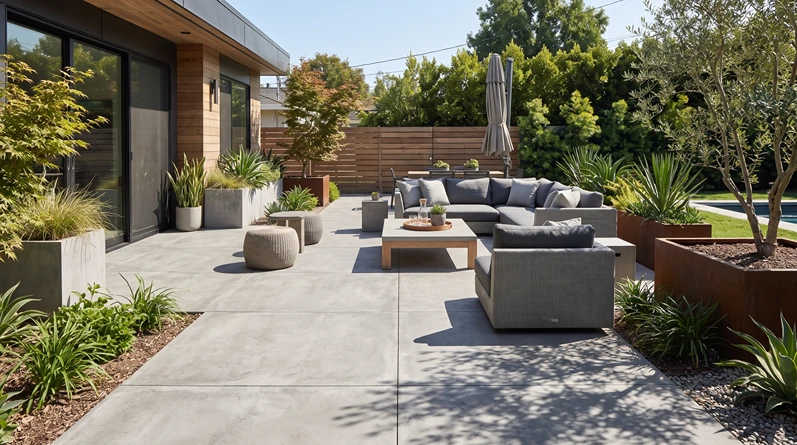
Porcelain tile is a practical whole-house flooring option for homeowners who prioritize durability, moisture resistance, design consistency, and low routine maintenance. However, its hard surface, cool feel, and higher installation costs may make a mixed-material approach more suitable for some households.
Before committing to whole-house tile flooring, compare the costs and performance of porcelain with other materials, evaluate the needs of each room, and confirm that the subfloor is suitable for installation. Choosing appropriate finishes and hiring experienced installers can also improve safety, appearance, and long-term performance.
Contact Shans Carpets and Fine Flooring Inc. to explore flooring options, compare materials, and find a solution that fits your home’s design, practical needs, and budget.
Frequently Asked Questions
Is porcelain tile good for the entire house?
Yes, porcelain tile can be used throughout most of a house because it is durable, moisture-resistant, and easy to clean. The best results come from selecting appropriate finishes for each room and addressing comfort concerns in bedrooms and other living spaces.
How long does porcelain tile flooring last?
Porcelain tile flooring can last several decades, often 50 years or longer, when properly installed and maintained. Its actual lifespan depends on tile quality, subfloor stability, installation workmanship, traffic, and the care given to grout and joints.
Is porcelain tile better than ceramic tile for flooring?
Porcelain tile is generally better for areas that need low water absorption and strong wear resistance because it is denser than many ceramic tiles. Ceramic tile can still be an effective, more affordable option for many residential floors, depending on the product’s specifications and intended use.
Does porcelain tile crack easily?
No, porcelain tile does not typically crack easily under normal residential use when installed over a suitable, stable substrate. Heavy impacts, structural movement, inadequate substrate preparation, and installation errors can still cause cracks or chips.
Is porcelain tile flooring slippery when wet?
Porcelain tile flooring can be slippery when wet, especially with a polished finish. For bathrooms, laundry rooms, and entryways, choose a product with suitable slip-resistance characteristics and follow the manufacturer’s recommendations for the intended application.