

Wide Plank Hardwood Flooring: Pros, Cons, and Design Ideas
Wide plank hardwood flooring brings natural wood grain, fewer visible seams, and a spacious appearance to residential interiors. Typically measuring 5 inches or wider, these planks create a distinctive look and suit traditional, modern, rustic, and transitional homes.
Understanding the benefits, drawbacks, costs, and maintenance requirements can help homeowners decide if this flooring style fits their needs. This guide covers everything from wood species and installation to practical design ideas.
What Is Wide Plank Hardwood Flooring?
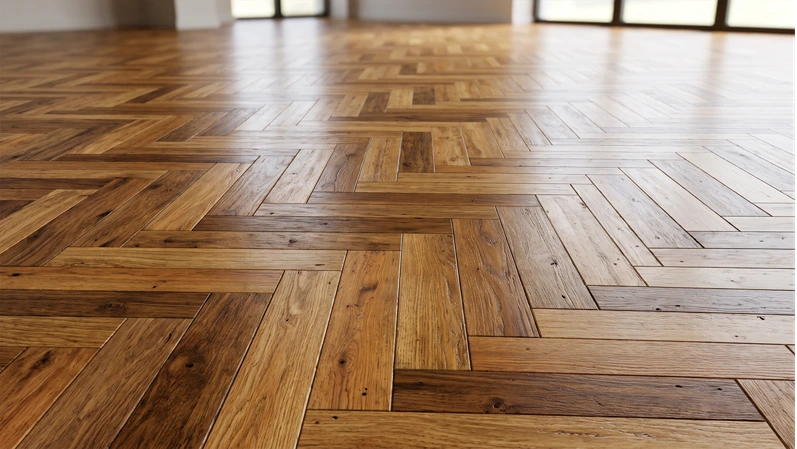
Wide plank hardwood flooring features boards that are wider than traditional hardwood strips, creating fewer seams and allowing more of the wood’s natural character to remain visible. Most products start at approximately 5 inches wide, with some options measuring 7, 9, or 12 inches.
What Makes Wide Plank Hardwood Floors Different From Traditional Hardwood Flooring?
Wide plank hardwood floors typically measure 5 inches or more across, while traditional hardwood strips commonly range from 2.25 to 3.25 inches wide. The broader boards produce fewer visible joints, making grain patterns, knots, and color variations more prominent across the floor.
Solid vs. Engineered Wide Plank Hardwood Flooring
Solid wide plank hardwood flooring consists of a single piece of natural wood, while engineered flooring features a real hardwood veneer bonded to a layered core. Solid boards can often be refinished multiple times, while engineered products generally offer better dimensional stability in environments with changing humidity, depending on their construction and veneer thickness.
What Are the Benefits of Wide Plank Hardwood Flooring?
The benefits of wide plank hardwood flooring include a spacious visual effect, distinctive grain patterns, versatile design options, and long-term value when the product is properly selected and maintained. These advantages make wider boards a popular option for homeowners who want natural materials to play a central role in their interiors.
1. Wide Plank Hardwood Flooring Creates a Spacious and Open Appearance
Wide plank hardwood flooring can make a room feel more open because fewer seams interrupt the floor’s visual surface. This effect works particularly well in living rooms, dining areas, and open-concept layouts where continuous flooring helps connect different spaces.
2. Wide Plank Hardwood Floors Highlight Natural Wood Grain and Texture
Wide plank hardwood floors showcase more of each board’s grain, knots, and natural color variation. Oak, walnut, and hickory can develop especially distinctive patterns across wider surfaces, adding visual interest without requiring decorative flooring details.
3. Wide Plank Wood Flooring Complements Different Interior Design Styles
Wide plank wood flooring suits a range of interiors, from minimalist contemporary homes to rustic farmhouses and traditional residences. The right combination of species, finish, plank width, and color allows homeowners to adapt the flooring to their preferred aesthetic.
4. Wide Plank Hardwood Flooring Offers Long-Term Durability
Wide plank hardwood flooring can last for decades when homeowners select a suitable wood species, install it correctly, and follow recommended maintenance practices. Solid hardwood and certain engineered products can also be refinished when their surface condition and construction allow it.
5. Wide Plank Hardwood Floors Offer Timeless Design Appeal
Wide plank hardwood floors combine natural materials with a clean, understated appearance that can work across changing interior trends. Neutral wood tones and classic finishes are particularly versatile, making it easier to update furniture, wall colors, and decor without replacing the floor.
What Are the Disadvantages of Wide Plank Hardwood Flooring?
The main disadvantages of wide plank hardwood flooring include potentially higher material costs, greater sensitivity to moisture-related movement in some products, and demanding installation requirements. Understanding these limitations helps homeowners choose flooring that suits their budget, room conditions, and maintenance expectations.
1. Wide Plank Hardwood Flooring Can Be More Expensive
Wide plank hardwood flooring can cost more than standard-width alternatives because of material selection, manufacturing requirements, board grading, and installation considerations. Premium species, custom finishes, and extra-wide boards may increase the total project cost.
2. Wide Plank Hardwood Floors May Be More Sensitive to Moisture Changes
Wide plank hardwood floors can experience more noticeable dimensional movement because wider boards have a greater surface area across the grain. Seasonal humidity changes may contribute to gaps, cupping, or warping, particularly when the wood is not properly acclimated or indoor moisture levels are poorly controlled.
3. Wide Plank Wood Flooring Requires Proper Subfloor Preparation
Wide plank wood flooring requires a clean, stable, level, and sufficiently dry subfloor to reduce the risk of movement and installation problems. Uneven surfaces or excessive moisture can affect board stability, fastening, and the finished floor’s appearance.
4. Wide Plank Hardwood Flooring Requires Regular Maintenance
Wide plank hardwood flooring needs routine cleaning, scratch prevention, and humidity control to preserve its appearance. Dust, grit, standing water, and unsuitable cleaning products can damage the finish or contribute to surface wear over time.
5. Wide Plank Hardwood Floors May Not Suit Every Room
Wide plank hardwood floors are not always the best choice for rooms with persistent moisture, unstable environmental conditions, or subfloors that cannot be adequately prepared. Bathrooms, below-grade spaces, and areas prone to water intrusion may require different flooring materials or a specifically approved engineered product.
Wide Plank Hardwood Flooring Pros and Cons: Quick Comparison
The following comparison summarizes the most important wide plank hardwood flooring pros and cons for homeowners evaluating this investment.
| Advantages | Disadvantages |
| Creates a spacious visual appearance | May have a higher purchase price |
| Highlights natural grain and texture | Can respond noticeably to humidity changes |
| Works with many interior design styles | Requires careful subfloor preparation |
| Can last for decades with proper care | Needs routine cleaning and maintenance |
| Offers multiple wood species and finishes | May be unsuitable for persistently damp rooms |
| Can support long-term home appeal | Repair and refinishing costs vary by product |
Wide plank hardwood flooring is a strong choice for homeowners who prioritize natural character and long-term design flexibility. However, total cost, room conditions, and installation requirements should guide the final decision.
Best Wide Plank Hardwood Flooring Design Ideas for Your Home
The best wide plank hardwood flooring design ideas combine the right wood species, color, finish, and plank width with the room’s lighting and architectural style. Choosing these elements together creates a cohesive foundation for the rest of the interior.
1. Natural Oak Wide Plank Hardwood Flooring for a Timeless Look
Natural oak wide plank hardwood flooring offers visible grain, balanced color variation, and broad compatibility with different furniture styles. Choose a natural or lightly stained finish to complement white walls, neutral upholstery, and warm wood accents.
2. Light-Coloured Wide Plank Hardwood Floors for Modern Interiors
Light-colored wide plank hardwood floors in white oak, maple, or pale natural finishes help interiors feel bright and uncluttered. Pair them with white cabinetry, soft gray accents, and simple furniture for a contemporary look that does not feel overly stark.
3. Dark Wide Plank Hardwood Flooring for Elegant Living Spaces
Dark wide plank hardwood flooring creates a rich, dramatic foundation for formal living rooms, dining spaces, and offices. Balance espresso or deep walnut tones with lighter walls, layered lighting, and contrasting textiles to prevent the room from feeling too heavy.
4. Rustic Wide Plank Wood Flooring for Farmhouse Interiors
Rustic wide plank wood flooring emphasizes natural knots, grain variation, and textured finishes that complement farmhouse and country-inspired interiors. Pair character-grade oak or hickory with exposed beams, vintage furniture, and warm neutral colors for a cohesive appearance.
5. Wide Plank Hardwood Flooring for Open-Concept Living Areas
Wide plank hardwood flooring can visually connect kitchens, dining rooms, and living areas when the same product continues throughout the space. Consistent plank direction and a coordinated finish help create continuity while allowing furniture, rugs, and lighting to define individual zones.
6. Matte-Finish Wide Plank Hardwood Floors for Contemporary Homes
Matte-finish wide plank hardwood floors provide a low-sheen appearance that emphasizes the wood’s natural texture rather than surface shine. They can also make minor dust and small surface imperfections less noticeable than some glossy finishes, although scratches and wear remain possible.
7. Wide Plank Hardwood Flooring With Contrasting Interior Colors
Wide plank hardwood flooring stands out when paired with wall and furniture colors that create deliberate contrast. Light oak works well with navy, charcoal, or forest green, while dark walnut can complement cream walls, warm beige upholstery, and brushed-metal accents.
How to Choose the Best Wide Plank Hardwood Flooring
The best wide plank hardwood flooring depends on the room’s conditions, the desired look, the available budget, and the maintenance the homeowner can handle. Compare species, dimensions, finishes, and product construction before making a purchase.
Consider the Best Wood Species for Wide Plank Flooring
Oak, maple, hickory, and walnut each offer different grain patterns, hardness levels, and colors. Oak is a versatile option, hickory provides pronounced character and strong hardness, maple has a subtler grain, and walnut offers rich brown tones.
Choose the Right Width for Wide Plank Hardwood Floors
Plank widths typically range from 5 to 12 inches, with the best size depending on room dimensions and personal preference. Boards measuring 5 to 7 inches offer a balanced look in many homes, while widths of 8 inches or more create a bolder appearance and may require additional attention to product stability.
Select the Best Finish and Colour for Your Interior
The right finish should complement the home’s lighting, furniture, wall colors, and overall style. Natural, matte, and satin finishes offer different visual effects, while lighter stains tend to brighten interiors and darker stains create greater contrast.
Evaluate Your Budget and Long-Term Maintenance Needs
Compare the full project cost rather than focusing only on the price per square foot. Include underlayment, subfloor preparation, installation labor, waste allowances, trim, finishing, and future maintenance when calculating the budget.
Wide Plank Hardwood Flooring vs. Narrow Plank Flooring: Which Is Better?
Wide plank hardwood flooring creates a more open, natural appearance, while narrow plank flooring offers a more segmented look that can suit traditional interiors and certain installation patterns. Neither option is universally better because the right choice depends on aesthetics, product construction, room conditions, and cost.
Appearance and Interior Design Differences
Wide planks showcase larger areas of natural grain and produce fewer seams, making them suitable for contemporary, rustic, and transitional interiors. Narrow planks create more repeated lines across the floor, which can complement classic designs and intricate layouts.
Durability and Moisture Considerations
Both wide and narrow hardwood planks can provide long-lasting performance when installed and maintained correctly. Wider boards may show more noticeable gaps or cupping as moisture conditions change, so product construction, acclimation, and humidity management are especially important.
Cost and Installation Differences
Wide plank flooring may cost more because of material grading, board dimensions, and installation requirements, although prices vary by product and supplier. Narrow plank flooring can be more economical in some cases, but the final difference depends on the selected species, finish, and labor.
Which Flooring Option Is Best for Your Home?
Choose wide planks if you prefer fewer seams, prominent wood grain, and a more expansive visual effect. Narrow planks may be preferable for a traditional appearance, a tighter material budget, or a design that benefits from smaller repeating lines.
How Much Does Wide Plank Hardwood Flooring Cost?
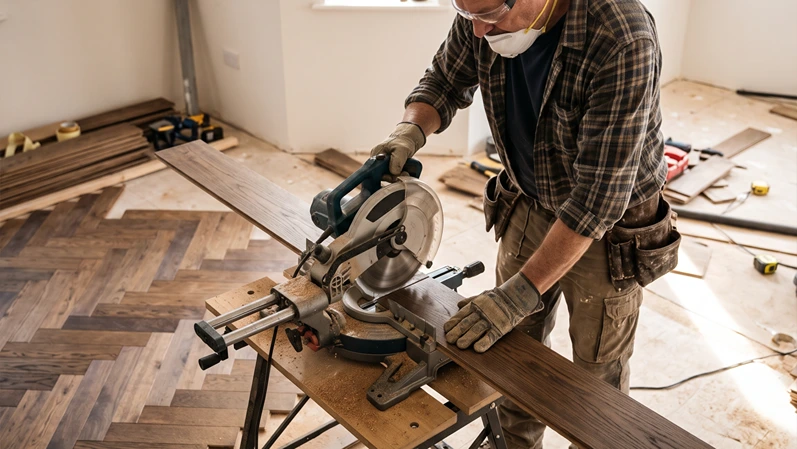
Wide plank hardwood flooring costs vary by species, construction, width, finish, and installation complexity. As a general U.S. budgeting estimate, materials may range from approximately $3 to $15 or more per square foot, while professionally installed projects can total around $6 to $25 or more per square foot.
These figures are broad planning estimates, not current supplier quotes, and premium or custom products can exceed them. Request an itemized estimate based on the actual flooring product, room measurements, and subfloor conditions.
What Factors Affect Wide Plank Hardwood Flooring Installation Costs?
Several factors influence the final cost of wide plank hardwood flooring installation:
- Wood species: Premium walnut and specialty hardwoods may cost more than standard oak products.
- Plank dimensions: Extra-wide boards and specialty milling can increase material costs.
- Construction: Solid hardwood and engineered hardwood have different price ranges and installation requirements.
- Subfloor condition: Leveling, moisture mitigation, and repairs can add labor and materials.
- Installation method: Nailing, stapling, gluing, and floating systems have different requirements.
- Finishing and trim: Stains, protective coatings, transitions, and baseboards affect the total.
- Project size: Room layout, installation waste, and minimum labor charges influence the final estimate.
Wide Plank Hardwood Flooring Installation: What Homeowners Should Know
Successful wide plank hardwood flooring installation depends on proper moisture testing, subfloor preparation, product acclimation, and an installation method approved by the manufacturer. These steps help reduce the risk of movement, uneven boards, and premature flooring problems.
Preparing the Subfloor for Wide Plank Hardwood Flooring
The subfloor must be structurally sound, clean, level within the product’s specified tolerances, and appropriately dry before installation begins. Installers should test moisture conditions, address uneven areas, and verify that the flooring is compatible with the existing subfloor.
Choosing the Right Installation Method
The correct installation method depends on the flooring’s construction, the subfloor material, and the manufacturer’s instructions. Solid hardwood is commonly nailed or stapled over suitable wood subfloors, while engineered products may support glue-down, nail-down, staple-down, or floating installations depending on the specific product.
Why Professional Wide Plank Hardwood Flooring Installation Matters
Professional installation helps address board movement, moisture management, layout planning, and the precise requirements of wider planks. An experienced installer can also identify subfloor issues before they affect the finished floor, reducing the risk of costly corrections.
How to Maintain Wide Plank Hardwood Flooring for Long-Lasting Beauty
Wide plank hardwood flooring can retain its appearance for many years with consistent cleaning, surface protection, and stable indoor humidity. Follow the flooring manufacturer’s care instructions because suitable products and maintenance methods vary by finish and construction.
Clean Wide Plank Hardwood Floors Regularly
Sweep or vacuum wide plank hardwood floors frequently using a hardwood-safe attachment to remove grit that can scratch the finish. Clean spills promptly and use a lightly damp microfiber mop with an approved wood-floor cleaner instead of soaking the boards.
Protect Wide Plank Wood Flooring From Scratches and Damage
Protect wide plank wood flooring with felt pads beneath furniture legs, rugs in high-traffic areas, and entry mats that capture dirt and moisture. Avoid dragging heavy objects across the surface, and keep pet nails trimmed to minimize scratches.
Maintain Proper Indoor Humidity Levels
Stable indoor humidity helps limit seasonal shrinking, swelling, and gaps in hardwood flooring. Many wood flooring products perform best when indoor relative humidity stays around 30% to 50%, but homeowners should follow the specific manufacturer’s recommended range for their product and climate.
Know When to Refinish Wide Plank Hardwood Floors
Refinishing may be appropriate when wide plank hardwood floors develop widespread surface wear, finish deterioration, or scratches that cleaning cannot correct. Solid hardwood can often be refinished multiple times, while engineered hardwood can only be refinished when its wear layer is sufficiently thick and the manufacturer permits it.
Is Wide Plank Hardwood Flooring Worth It?
Wide plank hardwood flooring is worth considering for homeowners who value natural wood character, a spacious appearance, and a durable surface that can complement changing interior styles. The investment makes the most sense when the flooring suits the home’s moisture conditions, and the budget accounts for installation and long-term care.
Before purchasing, compare samples in the actual room, evaluate how natural and artificial lighting affect their color, and request a detailed installation estimate. Shans Carpets and Fine Flooring Inc can help homeowners explore flooring options and identify products that align with their design preferences, practical needs, and project budget.
Frequently Asked Questions
Is wide plank hardwood flooring more expensive than regular hardwood flooring?
Yes, wide plank hardwood flooring can cost more than standard-width hardwood because of material selection, manufacturing, and installation requirements. However, the price difference depends on the species, construction, finish, supplier, and project complexity.
What is the best width for wide plank hardwood flooring?
A width of 5 to 7 inches is a versatile choice for many homes because it provides a wide-plank appearance without overwhelming the space. Planks measuring 8 inches or more create a more dramatic look, but product stability and installation requirements should be evaluated carefully.
Does wide plank hardwood flooring make a room look bigger?
Yes, wide plank hardwood flooring can make a room appear more spacious by reducing the number of visible seams across the floor. Lighter wood tones, consistent plank direction, and uninterrupted flooring between connected spaces can reinforce this effect.
Is wide plank hardwood flooring suitable for small rooms?
Yes, wide plank hardwood flooring can work well in small rooms when the plank width, color, and layout complement the space. Lighter finishes and fewer visual interruptions can make a compact room feel more open, while very dark boards may create a more enclosed appearance.
What is the best wood species for wide plank hardwood floors?
Oak is one of the most versatile choices for wide plank hardwood floors because it offers a balanced combination of grain character, durability, and finish options. Hickory, maple, and walnut are also suitable choices, depending on the desired appearance, hardness, budget, and product construction.
Ready to transform your home with wide plank hardwood flooring? Contact Shans Carpets and Fine Flooring Inc to explore quality flooring options, compare styles and finishes, and find the right fit for your space and budget. Get in touch today to discuss your project and take the next step toward beautiful, long-lasting hardwood floors.