

Carpet Installation: What to Expect Before, During, and After
Replacing your flooring starts with understanding the carpet installation process from beginning to end. Knowing what happens before, during, and after installation helps you prepare your home, avoid delays, and achieve long-lasting results.
This guide explains carpet installation preparation, how a new carpet installation is completed, expected timelines, maintenance tips, and why hiring experts delivers the best outcome. If you are planning a flooring upgrade, these insights will help you make informed decisions from start to finish.
Signs It’s Time for a New Carpet Installation
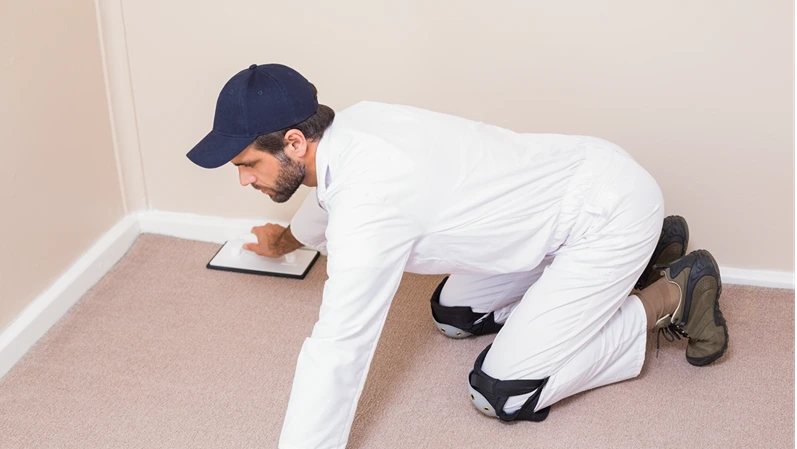
A new carpet installation is the right choice when your existing carpet no longer provides comfort, appearance, or performance. Replacing worn flooring also improves indoor comfort and can increase your home’s value.
Common signs include:
- Visible wear patterns in high-traffic areas
- Stubborn stains that remain after cleaning
- Lingering odors trapped in carpet fibers
- Loose seams, wrinkles, or ripples
- Increased allergy symptoms caused by accumulated dust and allergens
- Carpet that is more than 10 to 15 years old
- Water damage or mold concerns
Replacing damaged flooring before it worsens can help prevent costly repairs and create a cleaner living space.
Carpet Installation Preparation: What to Do Before Installation
Proper carpet installation preparation helps installers work efficiently and ensures the finished floor performs as expected. Completing a few simple tasks before installation day can reduce delays and protect your belongings.
Remove Furniture and Personal Belongings
Removing furniture and personal belongings before carpet installation gives installers clear access to every room and helps prevent accidental damage. Empty closets, decorative items, electronics, and fragile belongings should also be moved to a safe location before the installation crew arrives.
Prepare Existing Flooring
Preparing the existing flooring allows installers to identify moisture issues, uneven surfaces, or damaged subfloors before the new carpet is installed. Addressing these concerns early creates a stable foundation that supports better appearance, comfort, and long-term durability.
Measure Your Space
Measuring your space accurately ensures enough carpet is ordered while reducing unnecessary material waste. Professional measurements also account for room layouts, doorways, closets, stairs, and pattern matching when applicable.
Choose the Right Carpet Padding
Choosing the right carpet padding improves comfort, insulation, and the lifespan of your flooring investment. Most residential padding ranges from 6 to 8 pounds in density, although heavier traffic areas often benefit from higher-density options recommended by your installer.
Plan for Pets and Children
Planning for pets and children keeps everyone safe while installation tools and materials are being used throughout the home. Arranging temporary accommodations also allows the installation team to complete the project more efficiently without interruptions.
Need expert guidance before your flooring project begins? A professional consultation helps you select the right products and prepare your home for a smooth installation experience.
Choosing the Right Carpet Before Installation
Selecting the right carpet before installation ensures your flooring matches your lifestyle, maintenance expectations, and budget. Material, pile style, and durability all influence long-term performance.
Carpet Fiber Options
Carpet fiber determines durability, softness, stain resistance, and maintenance requirements. Nylon offers excellent durability, polyester provides vibrant color and stain resistance, olefin performs well in moisture-prone areas, and wool delivers natural luxury with proper maintenance.
Best Carpet Styles
The best carpet style depends on traffic levels and the appearance you want to achieve. Popular choices include:
- Plush carpet for a smooth, formal look
- Berber carpet for high durability in busy areas
- Frieze carpet for hiding footprints and vacuum marks
- Textured carpet for family rooms and everyday living spaces
- Patterned carpet for added visual interest
Each style offers different benefits, making it important to match the carpet to the intended room.
Selecting Carpet Based on Lifestyle
Selecting carpet based on your lifestyle produces better long-term satisfaction than choosing by appearance alone. Families with children, pets, or heavy foot traffic often benefit from durable, stain-resistant materials paired with quality padding that withstands everyday use.
Choosing premium materials is only part of the equation. Working with Shans Carpets and Fine Flooring Inc also helps homeowners find flooring solutions that fit their budget, design preferences, and daily living needs while ensuring every recommendation aligns with the intended space.
The Carpet Installation Process: Step-by-Step
The carpet installation process follows a proven sequence that creates a secure, smooth, and long-lasting floor. Each step plays an important role in the final appearance and performance of your new carpet.
Step 1: Removing Old Flooring
Removing old flooring creates a clean workspace and allows installers to inspect the condition of the subfloor before installing new materials. Existing carpet, padding, tack strips, staples, and debris are removed carefully to prepare the room for the next stage.
Step 2: Preparing the Subfloor
Preparing the subfloor ensures the surface is clean, dry, level, and structurally sound before installation begins. Installers repair minor imperfections, remove leftover adhesive, and check for moisture issues that could affect the carpet over time.
Step 3: Installing Tack Strips
Installing tack strips secures the carpet around the perimeter of the room for a tight, professional fit. The strips are positioned with proper spacing to provide strong holding power while protecting walls and baseboards.
Step 4: Installing Carpet Padding
Installing carpet padding adds comfort while improving insulation and extending the carpet’s lifespan. The padding is trimmed precisely and secured firmly so it remains flat beneath the finished flooring.
Step 5: Laying the Carpet
Laying the carpet involves positioning each section carefully to achieve the correct alignment and minimize visible seams. Installers also account for carpet grain and pattern direction to create a consistent appearance throughout the room.
Step 6: Stretching the Carpet
Stretching the carpet removes wrinkles and prevents future buckling after installation is complete. Professional installers use specialized stretching tools to achieve a smooth, secure finish that lasts for years.
Step 7: Trimming and Finishing Edges
Trimming and finishing edges creates clean transitions along walls, doorways, and adjoining flooring surfaces. Every cut is made carefully to produce a polished appearance while maintaining a secure fit.
Step 8: Final Inspection
The final inspection confirms the installation meets quality standards before the project is considered complete. Installers check seams, edges, transitions, stretching, and overall appearance while answering any remaining homeowner questions.
How Long Does Carpet Installation Take?
Most residential carpet installation projects take between 4 and 8 hours, although larger homes or multiple rooms may require one to two days. Factors that affect the timeline include:
- Total square footage
- Furniture removal requirements
- Subfloor repairs
- Stair installations
- Custom layouts or patterned carpet
- Removal of existing flooring
Scheduling enough time for preparation helps keep the project on track and reduces unexpected delays.
What to Expect Immediately After Carpet Installation
Your home is ready for normal use soon after installation, but a few temporary conditions are completely normal. Understanding these changes helps protect your investment during the first several days.
New Carpet Smell
A new carpet smell is common after new carpet installation and typically fades within 24 to 72 hours with proper ventilation. Opening windows and running ceiling fans can improve airflow and help the odor dissipate more quickly.
Temporary Furniture Marks
Temporary furniture marks may appear as carpet fibers adjust to the weight of heavy furnishings after installation. Most indentations gradually recover, and remaining marks can often be reduced with gentle brushing or light steam.
Loose Fibers and Shedding
Loose fibers and shedding are expected with many new carpets and usually decrease after several vacuuming sessions. Regular vacuuming removes excess fibers without affecting the carpet’s quality or lifespan.
Avoid Heavy Traffic
Avoiding heavy traffic for the first 24 hours helps the carpet settle properly after installation. Giving the flooring time to adjust also protects seams and freshly stretched areas from unnecessary stress.
Carpet Installation Aftercare Tips
Proper maintenance extends the life of your carpet while preserving its appearance and comfort. Following a consistent care routine also protects your flooring investment for years to come.
Vacuum Regularly
Vacuuming regularly removes dirt before it becomes embedded deep within the carpet fibers. Most households benefit from vacuuming one to two times per week, while busy homes may require more frequent cleaning.
Clean Spills Immediately
Cleaning spills immediately helps prevent permanent stains and unpleasant odors from developing. Blot liquids with a clean cloth instead of rubbing them deeper into the carpet.
Schedule Professional Carpet Cleaning
Scheduling professional carpet cleaning every 12 to 18 months removes deep dirt that regular vacuuming cannot reach. Professional cleaning also helps preserve your carpet manufacturer’s warranty when required.
Use Furniture Pads
Using furniture pads distributes weight evenly and reduces the risk of dents or damage to carpet fibers. They also make rearranging furniture easier without pulling or stretching the carpet.
Rotate Furniture
Rotating furniture periodically changes traffic patterns and allows carpet fibers to wear more evenly over time. Small layout changes can significantly extend the appearance of your flooring.
Common Carpet Installation Mistakes to Avoid
Avoiding common mistakes helps your carpet look better, last longer, and perform as expected. Many installation issues can be prevented with proper planning and experienced workmanship.
Common mistakes include:
- Skipping proper carpet installation preparation
- Choosing low-quality carpet padding
- Installing carpet over an uneven or damaged subfloor
- Incorrect room measurements that lead to wasted material
- Poor seam placement
- Failing to stretch the carpet properly
- Delaying cleanup of spills after installation
- Hiring inexperienced installers based solely on the lowest price
Professional planning and installation minimize these risks while improving the overall quality of the finished floor.
DIY vs Professional Carpet Installation
Both options can complete a flooring project, but the right choice depends on your experience, available tools, and desired results.
Benefits of DIY
DIY carpet installation can reduce labor costs for homeowners with the necessary skills and equipment. It also provides flexibility in scheduling, although mistakes can increase overall project costs.
Benefits of Professional Carpet Installation
Professional carpet installation delivers better accuracy, faster completion, and longer-lasting performance than most DIY projects. Experienced installers use specialized tools to achieve proper stretching, seamless transitions, and manufacturer-recommended installation standards.
| Feature | DIY Installation | Professional Carpet Installation |
| Initial Cost | Lower | Higher upfront investment |
| Installation Speed | Slower | Faster completion |
| Required Tools | Must purchase or rent | Included with service |
| Warranty Protection | Limited | Often maintained |
| Carpet Stretching | Difficult | Professionally completed |
| Seam Quality | Varies by experience | Consistent, clean finish |
| Long-Term Performance | Depends on skill | Typically superior |
How Much Does Carpet Installation Cost?
The average carpet installation cost ranges from approximately $3 to $11 per square foot, including materials and labor. Premium carpet fibers, upgraded padding, custom layouts, stair installations, and subfloor repairs can increase the final price.
Factors that affect installation costs include:
- Carpet material
- Carpet padding quality
- Room size
- Furniture moving
- Old carpet removal
- Stair installation
- Subfloor repairs
- Geographic location
Requesting a detailed estimate before work begins provides a clear understanding of project costs and the services included.
Benefits of Professional Carpet Installation
Choosing professional carpet installation provides long-term value beyond the initial project. Skilled installers help maximize the performance and lifespan of your new flooring.
Key benefits include:
- Accurate room measurements
- Proper carpet stretching
- Professional seam placement
- Faster project completion
- Manufacturer warranty compliance
- Improved appearance
- Longer carpet lifespan
- Reduced risk of installation errors
Professional workmanship helps protect your investment while delivering a finished floor that looks and performs its best.
Why Choose Our Professional Carpet Installation Services?
Our team delivers dependable professional carpet installation backed by quality materials, experienced installers, and exceptional customer service. We focus on precision from the initial consultation through the final inspection.
When you work with us, you receive:
- Experienced flooring professionals
- High-quality carpet and padding options
- Accurate project estimates
- Efficient scheduling
- Careful installation practices
- Thorough final inspections
- Excellent customer support before and after installation
If you are ready to upgrade your flooring, contact Shans Carpets and Fine Flooring Inc for expert guidance and reliable installation services tailored to your home.
Frequently Asked Questions
How long does carpet installation usually take?
Most residential carpet installation projects take between 4 and 8 hours, while larger homes or multiple rooms may require one to two days, depending on the scope of work.
Should I remove all furniture before carpet installation?
Yes. Removing furniture before installation provides clear access for installers, protects your belongings, and helps the project stay on schedule.
Can I walk on new carpet immediately after installation?
Yes. You can usually walk on new carpet immediately after installation, but limiting heavy traffic for the first 24 hours helps the carpet settle properly.
How soon should I vacuum after carpet installation?
You can vacuum your new carpet within 24 hours using a standard vacuum to remove loose fibers created during the installation process.
How long does new carpet typically last?
Most residential carpets last between 10 and 15 years, although lifespan depends on carpet quality, foot traffic, maintenance, and regular professional cleaning.
Upgrade Your Home with Expert Carpet Installation
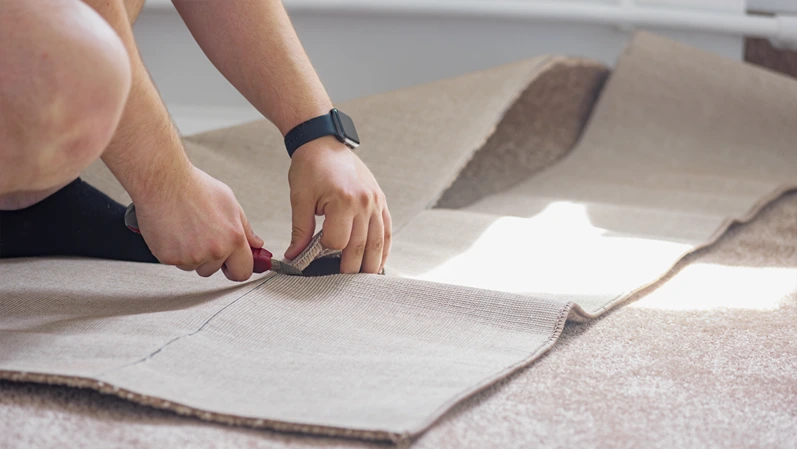
A successful carpet installation begins with proper planning, quality materials, and experienced workmanship. Understanding each step of the carpet installation process allows you to prepare your home, protect your investment, and enjoy beautiful flooring for many years.
When you are ready for a new carpet installation, trust Shans Carpets and Fine Flooring Inc to deliver outstanding craftsmanship and dependable service. Contact our team today to schedule a consultation and experience the difference that professional expertise can make.