

Luxury Vinyl vs Laminate Flooring: What’s The Difference?
Choosing the right flooring can transform your home’s look, feel, and functionality. Among the most popular options today are luxury vinyl and laminate flooring. Understanding the differences between these two materials helps homeowners make informed decisions.
This article dives deep into luxury vinyl vs laminate flooring, comparing vinyl flooring vs laminate, and exploring laminate vs luxury vinyl plank to determine the best fit for your space. We’ll also touch on waterproof flooring and water-resistant flooring options for modern living.
What Is Luxury Vinyl Flooring?
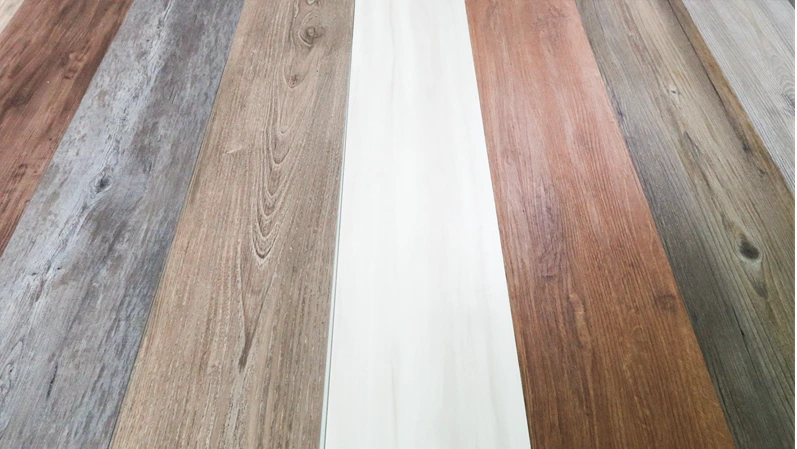
Luxury vinyl flooring is a synthetic flooring product designed to mimic natural wood or stone. It is highly durable, versatile, and often used in homes where style meets practicality. Its popularity has surged due to its combination of aesthetic appeal and resilience.
How Luxury Vinyl Flooring Is Made
Luxury vinyl consists of several layers:
- Wear layer – A transparent top layer that protects against scratches and stains.
- Design layer – Contains high-resolution images of wood, stone, or tile.
- Core layer – Provides stability, often made from PVC or a composite material.
- Backing layer – Offers moisture protection and additional support.
This multi-layer construction allows luxury vinyl to be highly durable while remaining soft underfoot.
Common Benefits of Luxury Vinyl
- Resistant to scratches and dents
- Offers waterproof flooring options
- Easy to clean and maintain
- Realistic wood or stone appearance
- Comfortable feel underfoot
Luxury vinyl is ideal for high-traffic areas and spaces prone to moisture, such as kitchens and bathrooms.
What Is Laminate Flooring?
Laminate flooring is a multi-layer synthetic product that also mimics wood, stone, or tile. Unlike luxury vinyl, it relies on a core of high-density fiberboard (HDF) and a protective top layer. Laminate flooring provides a budget-friendly alternative to natural hardwood while maintaining visual appeal.
How Laminate Flooring Is Made
Laminate flooring typically has four layers:
- Wear layer – A durable, scratch-resistant surface.
- Design layer – High-resolution photographic layer simulating wood, tile, or stone.
- Core layer – Usually HDF that gives the plank stability and strength.
- Backing layer – Protects against moisture and provides balance.
Laminate is engineered for ease of installation, often featuring click-lock planks for DIY-friendly flooring.
Common Benefits of Laminate Flooring
- Affordable alternative to hardwood
- Scratch-resistant surface
- Attractive designs and finishes
- Simple installation process
- Water-resistant flooring options for some planks
Laminate is often chosen for living rooms, bedrooms, and other areas where heavy moisture exposure is limited.
Luxury Vinyl vs Laminate Flooring: Key Differences
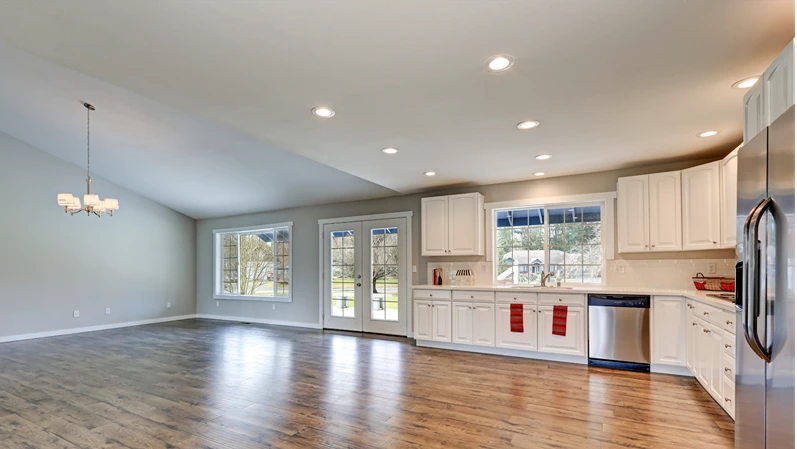
Understanding the differences between luxury vinyl vs laminate flooring and vinyl flooring vs laminate is essential to make the best choice.
1. Water Resistance
- Luxury vinyl – Typically waterproof flooring, making it ideal for bathrooms, kitchens, and basements.
- Laminate – Offers water-resistant flooring but is more prone to swelling if exposed to standing water.
2. Composition
- Luxury vinyl uses PVC and synthetic layers for flexibility and waterproofing.
- Laminate relies on HDF cores and a photographic design layer, giving it a harder feel but less moisture tolerance.
3. Feel Underfoot
- Luxury vinyl has a softer, warmer feel.
- Laminate feels harder and can be colder without underlayment.
4. Durability and Wear
- Luxury vinyl is resistant to scratches, dents, and stains.
- Laminate is scratch-resistant but can chip or warp over time, especially in moisture-prone areas.
5. Appearance
- Luxury vinyl closely mimics wood and stone textures with realistic embossing.
- Laminate provides visual appeal but may lack the natural texture of real materials.
6. Installation
- Luxury vinyl often features click-lock or glue-down systems, flexible for uneven subfloors.
- Laminate is easy to install with floating click-lock planks but requires a level subfloor.
7. Maintenance
- Luxury vinyl requires minimal upkeep, mainly sweeping and occasional mopping.
- Laminate needs careful cleaning to prevent water damage and surface scratches.
8. Price
- Luxury vinyl is moderately priced, offering value for durability and aesthetics.
- Laminate is typically more budget-friendly, making it accessible for larger projects.
Which Flooring Is Better for Each Room?
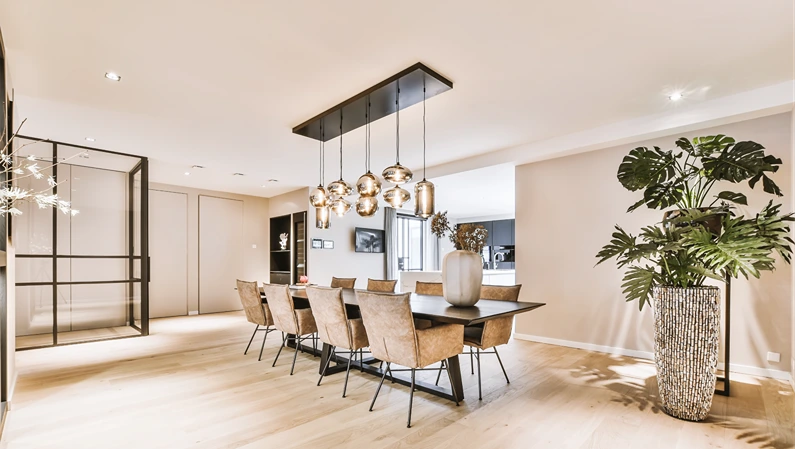
Best Rooms for Luxury Vinyl Flooring
- Bathrooms
- Kitchens
- Basements
- Entryways or mudrooms
- High-traffic areas
Luxury vinyl excels in spaces with potential water exposure due to its waterproof flooring properties.
Best Rooms for Laminate Flooring
- Living rooms
- Bedrooms
- Dining areas
- Offices
Laminate offers great aesthetics for spaces with lower moisture risk and high foot traffic.
Case Study: Luxury Vinyl vs Laminate in a Family Home
A family home in Houston installed laminate vs luxury vinyl plank to compare performance:
- Before – Hardwood in the kitchen and laminate in the living room. Frequent spills caused laminate warping over time.
- After – Kitchen upgraded to luxury vinyl with waterproof flooring, living room retained laminate. The family noticed easier cleaning and fewer water-related issues in the kitchen while maintaining the budget-friendly laminate in the living room.
This practical example shows how vinyl flooring vs laminate decisions depend on room function and moisture exposure.
Comparison Table: Luxury Vinyl vs Laminate
| Feature | Luxury Vinyl | Laminate |
| Water Resistance | Waterproof flooring | Water-resistant flooring |
| Feel Underfoot | Soft, warm | Harder, cooler |
| Durability | Scratch, dent, stain resistant | Scratch-resistant, may warp |
| Appearance | Realistic wood/stone textures | Photographic designs |
| Installation | Click-lock or glue-down | Floating click-lock |
| Maintenance | Easy, low upkeep | Careful cleaning required |
| Price | Moderate | Budget-friendly |
Expert Insights and Practical Tips
- Common mistakes – Avoid installing laminate in moisture-prone areas. Use proper underlayment to reduce noise.
- Best practices – Clean spills immediately for laminate. Use floor protectors for heavy furniture.
- Insider advice – For a premium look without the high cost, choose luxury vinyl in high-traffic rooms and laminate in dry areas.
- Trends – Textured and hand-scraped luxury vinyl planks are gaining popularity for their realistic appearance.
Shans Carpets and Fine Flooring Inc emphasizes the importance of evaluating both luxury vinyl vs laminate flooring before committing to installation, ensuring the right fit for every room.
Luxury Vinyl vs Laminate: Which One Should You Choose?
Choosing between laminate vs luxury vinyl plank depends on your priorities:
- If you need waterproof flooring and comfort underfoot, luxury vinyl is ideal.
- For budget-friendly options in low-moisture spaces, laminate offers visual appeal with moderate durability.
- Many homeowners mix both, using luxury vinyl in kitchens and bathrooms and laminate in living areas.
Visiting a showroom like Shans Carpets and Fine Flooring Inc allows you to see samples in person and make informed decisions. Their experts guide you on installation, design choices, and long-term care for your new floors. Schedule a consultation today to explore your options and find the perfect flooring solution for your home.
References
- Home Flooring Experts – Luxury Vinyl vs Laminate
- National Wood Flooring Association – Flooring Basics
- HGTV – Best Flooring Options
Frequently Asked Questions
Is luxury vinyl better than laminate flooring?
Luxury vinyl is generally better for moisture-prone areas and high-traffic spaces due to its durability, waterproof flooring capabilities, and softer feel underfoot. Laminate is more budget-friendly but less suitable for areas exposed to water.
Which is more waterproof, laminate or luxury vinyl?
Luxury vinyl provides waterproof flooring, while laminate is only water-resistant flooring. Standing water on laminate can cause swelling and damage, making vinyl a safer choice in bathrooms and kitchens.
Does laminate flooring look more like real wood?
Laminate offers realistic wood visuals but lacks the texture and depth of luxury vinyl or natural wood. High-quality luxury vinyl planks can mimic wood grains and textures more convincingly.
Is luxury vinyl flooring more expensive than laminate?
Yes, luxury vinyl typically costs more per square foot than laminate due to its durability, comfort, and realistic design layers. Laminate is a budget-friendly alternative for areas with less moisture exposure.
Can luxury vinyl be installed over existing flooring?
Yes, luxury vinyl can often be installed over existing tile or laminate floors, depending on the subfloor condition. Always check the manufacturer’s guidelines for the best results.
How long does laminate flooring last compared to luxury vinyl?
Laminate usually lasts 10–20 years with proper care, while luxury vinyl can last 15–25 years, especially in high-traffic and moisture-prone areas.